Sri Lanka Reverses Organic Farming Policy Amid Crisis

Sri Lanka Reverses Organic Farming Policy Amid Crisis

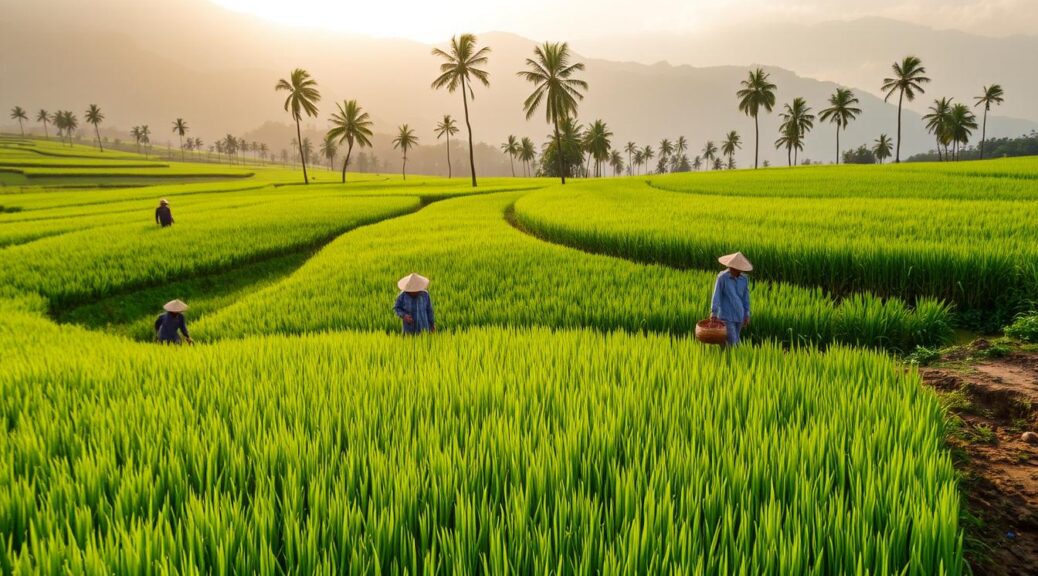
Sri Lanka’s government has lifted its ban on chemical fertilizers. This reversal comes amid a severe economic crisis and widespread food shortages. The ban, implemented in May 2021, aimed to make Sri Lanka fully adopt sustainable farming practices.

Rice yields, a staple in Sri Lanka, dropped by 40-50% nationwide. This decrease happened during the Maha growing season after the organic policy started. Sri Lanka had to import 300,000 metric tonnes of rice in just three months.

The new policies have hurt Sri Lankan farmers financially. Many can’t afford essential farming inputs, and some have stopped farming altogether. Food inflation is around 30% and expected to rise further.

Foreign reserves have shrunk to $1.8 billion. This makes it hard for the government to afford imports, including fertilizers. Experts call the food crisis a “man-made disaster”.

Increased hardships are expected in the coming months. Children and pregnant women are particularly at risk. The government is trying to address growing concerns about food availability and accessibility.

Impact of Fertilizer Ban on Sri Lankan Farmers

Sri Lanka’s 2021 chemical fertilizer ban has severely affected smallholder farmers. The ban aimed to reduce imported fertilizer dependence and promote organic farming. However, it resulted in widespread crop failures and decreased agricultural output.

Before the ban, 2 million Sri Lankan farmers relied on subsidized chemical fertilizers. The abrupt shift to organic farming left many struggling to adapt. Some farmers experienced a 50-60% decrease in harvests, devastating their incomes.

Many farmers now can’t afford essential farming inputs like pesticides and equipment. This has made it hard for them to maintain their farms and livelihoods.

Inability to Afford Farming Inputs

The fertilizer ban and economic crisis have made it tough for farmers to buy necessary inputs. Many have taken high-interest loans for pesticides and other essentials. This has worsened their financial situation.

Lack of affordable farm subsidies has left many unable to sustain their farms. This has led to widespread poverty and food insecurity in rural areas.

Farmers Abandoning Cultivation

Many smallholder farmers in Sri Lanka have decided to quit farming altogether. Reduced crop yields and increased input costs have made it impossible to sustain their farms.

Farmers are now seeking alternative income sources, often in urban areas. This trend has significantly reduced agricultural output across the country. It’s contributing to ongoing food shortages and economic instability.

Government Reverses Organic Farming Policy Amidst Food Shortages

Sri Lanka’s government has recognized the need to change its organic farming policy. President Gotabaya Rajapaksa admitted mistakes that require fixing to address food security issues. The goal is to boost domestic food production and ease growing protests.

The government has asked the World Bank for help to buy fertilizers. They plan to bring back subsidies for farmers. However, the details of these changes are still unclear.

Farmers remain doubtful about the government’s ability to keep its promises. This is due to the severe shortage of foreign currency in the country.

The chemical input ban has severely impacted crop yields. The last maha seasonal harvest dropped by 37% compared to the previous year. This is the lowest yield since 2003/04.

Food insecurity has affected about 6.3 million people in Sri Lanka as of September 2022. Food inflation has reached a staggering 94.9%.

To tackle the crisis, Sri Lanka secured a $55 million credit line from India Exim Bank. This money will be used to purchase fertilizers.

The government also had to pay $6.87 million for unsuitable organic fertilizer from China. This was due to their short-lived organic farming policy.

IFOAM – Organics International is organizing workshops to support Sri Lanka. These aim to help the country transition to organic agriculture more sustainably. The focus is on reforms that prioritize food security and domestic production.

Economic Crisis Exacerbates Agricultural Challenges

Sri Lanka’s economic crisis has worsened farmers’ struggles after the organic farming policy. Foreign reserves are low, and inflation is high. Shortages of fuel, food, and medicine have become common.

The country’s foreign debt skyrocketed from $11.3 billion in 2005 to $56.3 billion in 2020. In 2021, it reached 119% of the GDP. Sri Lanka defaulted on its debt in April 2022.

Rising fuel costs make it hard for farmers to grow and transport crops. Power cuts disrupt irrigation and milling. The government raised taxes to increase revenue.

Experts warn that food access and affordability will remain big issues. Vulnerable populations may face increased malnutrition. Many farmers are abandoning their livelihoods due to these challenges.

Globally, 193 million people faced food insecurity in 2021. In East Africa, 265 million live on less than $1.90 per day. About 40% of the population there has poor access to food.

A review of recent literature shows urgent need for solutions. These must address the complex issues facing Sri Lankan farmers and the broader population.
Sri Lanka Allocates Rs. 465B for Education in 2024

Sri Lanka Allocates Rs. 465B for Education in 2024

Sri Lanka’s government has shown strong support for public school financing. They’ve set aside Rs. 465 billion for education in the 2024 budget. State Minister Suren Raghavan shared this news at a press conference.

This funding aims to tackle long-standing issues in Sri Lanka’s schools. It focuses on better buildings, teacher training, and learning materials. The goal is to help students compete globally.

Minister Raghavan stressed that this budget shows the government’s dedication to education. They want to create a fair and inclusive society. By investing in youth, they hope to shape skilled, knowledgeable citizens.

These future leaders will drive Sri Lanka’s progress in the coming years. The government believes education is key to the nation’s growth and development.

Substantial Investment in Primary and Secondary Education

Sri Lanka’s government has set aside Rs. 255 billion for primary and secondary education in 2024. This investment aims to boost early learning stages. It ensures students receive top-notch education from the start of their academic journey.

Initiatives to Enhance Quality and Accessibility of Education

The government has planned several initiatives to improve education quality and access. These include:

  • Infrastructure development projects to improve school facilities and learning environments
  • Implementation of student aid programs to support underprivileged students and promote equal access to education
  • Teacher training programs to enhance the skills and competencies of educators in primary and secondary schools

These plans aim to close the gap between urban and rural areas. They ensure all students can access quality education, regardless of background.

The government’s focus is on creating an inclusive education system. This approach fosters growth and development for every child in Sri Lanka.

Significant Funding for Higher Education and Research

Sri Lanka’s government has allocated Rs. 210 billion for research funding and development in 2024. This investment aims to improve advanced learning, boost innovation, and enhance skill training in universities. The funding will strengthen higher education institutions across the country.

Rs. 210 Billion Earmarked for Advanced Learning

The allocated funds will upgrade infrastructure and facilities in universities. State-of-the-art resources will be provided to students and faculty. The government plans to appoint Deputy Vice Chancellors alongside existing Vice Chancellors in all universities.

This move will streamline administrative processes and ensure efficient resource management. Discussions are underway to increase university lecturers’ salaries, recognizing their crucial role in education.

Plans to Foster Innovation and Skill Development

Sri Lanka aims to establish a national higher education commission. This body will consolidate administrative functions and improve coordination among institutions. Starting 2025, the government will offer direct scholarships to state university graduates.

These scholarships will encourage advanced studies and contribute to national growth. The government has invited foreign and Sri Lankan-origin professors with international experience. They will teach and conduct research in state universities, promoting global perspectives.

FAQ

How much has the Sri Lankan government allocated for education in the 2024 budget?

Sri Lanka’s 2024 budget allocates Rs. 465 billion for education. This substantial investment shows the government’s dedication to improving education quality and access.

What is the focus of the primary and secondary education budget allocation?

The budget designates Rs. 255 billion for primary and secondary education. This funding aims to enhance learning quality and accessibility at these crucial stages.

Key initiatives include infrastructure development and student aid programs. These efforts will strengthen the foundation of Sri Lanka’s education system.

How much has been earmarked for higher education in the 2024 budget?

The government has set aside Rs. 210 billion for higher education. This investment supports advanced learning and research in Sri Lankan institutions.

Plans are in place to boost innovation and skill development. These initiatives will prepare students for future challenges and opportunities.

What administrative changes are being made in universities?

Universities will appoint Deputy Vice Chancellors alongside existing Vice Chancellors. This change aims to improve administrative efficiency in higher education institutions.

Are there any initiatives to attract foreign and Sri Lankan-origin professors to state universities?

Yes, the government is inviting foreign and Sri Lankan-origin professors with overseas experience. They will teach and conduct research in state universities as part of an internationalization project.

Is the government considering increasing salaries for university lecturers?

The government is discussing salary increases for university lecturers. This recognizes their vital role in providing high-quality higher education to students.

USCIRF Releases Report on Religious Freedom in Sri Lanka

USCIRF Releases Report on Religious Freedom in Sri Lanka

The United States Commission on International Religious Freedom (USCIRF) focuses on defending religious rights globally. They’ve released a report on Sri Lanka’s religious freedom. This comes at a time when there’s worry about sectarian violence and the need for government accountability in Sri Lanka. The report highlights issues like religiously motivated land disputes, challenges in registering religious minorities, and laws that unfairly target minority religions.

USCIRF Releases Report on Religious Freedom in Sri Lanka

USCIRF’s thorough evaluation led to Sri Lanka being added to the U.S. Department of State’s Special Watch List. This move shows the country needs careful observation for serious violations of religious freedom. A May 2024 hearing by USCIRF brought these concerns forward. The UK travel advisory also suggests travelers should be cautious. It reflects concerns similar to those identified by USCIRF about religious freedom.

Key Takeaways

  • USCIRF’s report exposes the complexities surrounding religious freedom in Sri Lanka.
  • Sri Lanka’s status on the U.S. Special Watch List underscores the gravity of such issues.
  • The report elucidates specific cases of sectarian violence and discrimination.
  • Potential impacts of legislative changes on minority rights are brought to the forefront.
  • USCIRF’s role in global human rights and religious freedom is further affirmed by their comprehensive analysis.
  • Travel advisories echo the need for vigilance amidst Sri Lanka’s current religious freedom challenges.

Understanding the USCIRF and Its Role in Global Human Rights

The United States Commission on International Religious Freedom (USCIRF) is a key bipartisan federal group. It was created by Congress to protect religious freedom worldwide. USCIRF watches, studies, and reports on when and where this important freedom is at risk.

It offers advice to shape America’s foreign policy. This advice highlights USCIRF’s commitment to global human rights.

USCIRF: A Bipartisan Federal Entity

USCIRF was set up to give expert, unbiased reports on religious freedoms across the world. It uses a bipartisan method. By looking at religious conflicts and persecution globally, it aims to offer fair policy advice. This advice goes straight to top U.S. leaders.

USCIRF’s Mission to Promote International Religious Freedom

At the heart of USCIRF’s mission is ensuring freedom of religion globally. It speaks out against religious persecution. The goal is to make a world where everyone can practice their faith freely.

Key Functions of USCIRF in Addressing Religious Persecution

USCIRF’s work includes pointing out specific instances and patterns of faith-based persecution. Besides reporting, it helps develop policies to fight religious discrimination. It aims to build better understanding among people of different faiths.

Religion Percentage in Sri Lanka
Buddhist 70%
Hindu 12.6%
Islam (mostly Sunni) 9.7%
Roman Catholic 6.1%
Other Christians 1.3%
Other Religions 0.05%

USCIRF Releases Report on Religious Freedom in Sri Lanka

The 2023 USCIRF report sheds light on how religious minorities in Sri Lanka are struggling. It talks about the need for laws to protect these minorities. It also suggests more people should get involved in these issues. The report looks at unfair practices that prevent religious peace and unity.

According to the report, incidents against Christians decreased from 80 in 2022 to 43 in 2023. Still, these incidents show a worrying pattern of threats, violence, and blockages against Christians. Often, the police are either involved or unfairly blame religious leaders.

Another concern mentioned is the Department of Archeology. They tried to build Buddhist temples on lands owned by Tamil communities 37 times. This has caused more tension in the north and east of Sri Lanka.

To solve these issues, the report recommends that civil society should have a bigger role. It also says the constitution should protect everyone’s rights equally. The USCIRF emphasizes the need for the world to watch and help Sri Lanka solve these problems.

Year Anti-Christian Cases Reported Incidents involving law enforcement Attempted Buddhist constructions on Tamil land
2022 80 Several noted
2023 43 Often involving police blame on pastors 37 cases

There’s a slow improvement in handling religious intolerance. But the government’s actions and police bias still need serious work. More efforts from both the government and the people are needed.

President Wickremesinghe plans to declare 11 more Buddhist temples as cultural sites by February 2024. This will bring the total to 142. This move shows there’s still a long way to go towards religious equality. The USCIRF wants the U.S. government to work harder on promoting religious freedom worldwide.

The 2023 USCIRF report underlines the need for strong legal protections and active civil involvement. This is to ensure that everyone in Sri Lanka can practice their religion freely.

Key Observations and Concerns Highlighted in the USCIRF Report

The USCIRF report carefully studies religious freedom in Sri Lanka. It highlights significant worries for religious minorities. Issues like discriminatory laws and land disputes show bias and exclusion.

Detecting Discriminatory Legislation: PTA and ICCPR Act

The Prevention of Terrorism Act (PTA) and the International Covenant on Civil and Political Rights (ICCPR) Act are used for control, not protection. This is concerning. Reports show 21 people detained under the PTA, with others facing unfair repression. Muslim communities, in particular, are badly affected by these acts, hurting their rights.

Religiously Motivated Land Disputes and Expropriation

Land disputes and expropriation hit Hindu and Muslim groups hard. In 2023, 68 land conflict incidents were documented in Batticaloa. These conflicts hint at attempts to change the area’s demographic, showing broader societal biases.

Challenges in Religious Minorities’ Registration

Religious minorities find it tough to register, affecting their worship and civil operations. These bureaucratic obstacles act as a soft form of exclusion, pushing towards a more uniform religious expression.

Legislative Amendments: Potential Impacts on Minority Rights

Amending laws could either help or hurt minority rights. It’s crucial that changes consider their effects on these groups, to not worsen their situation.

The USCIRF’s detailed report pushes for action against discriminatory laws. It’s vital to tackle blasphemy laws and registration hurdles for religious minorities, to aid human rights progress in the region.

Year Detentions under PTA Reported Land Disputes in Batticaloa
2023 21 68
Historical Avg. Data Unavailable Data Unavailable

USCIRF’s Recommendations and Sri Lanka’s Place on the Special Watch List

The United States Commission on International Religious Freedom (USCIRF) checks on religious freedom worldwide. It’s worried about religious freedom in Sri Lanka. Recent events, such as limited access to Hindu temples and efforts to build Buddhist temples on Tamil lands, are concerning. USCIRF suggests putting Sri Lanka on the Special Watch List. This suggests serious issues with religious freedom that need fixing to help different faiths get along.

USCIRF’s work shows some policies support or ignore sectarian violence and discrimination. The forced resignation of Judge T. Saravanaraja, for example, shows the need for judges to make decisions freely on religious issues. Moves to require religious groups to register hint at a desire for more control. This raises questions about Sri Lanka’s support for religious variety and could lead to more targeting of religious minorities.

Globally, many governments see religious freedom as key to their foreign policies. The situation in Sri Lanka is getting international attention. Groups like the Religious Freedom contact group watch and guide policies to meet global standards. The US has suggested India for a CPC designation because of its religious freedom issues. This serves as a warning for Sri Lanka. By considering USCIRF’s recommendations, Sri Lanka has a chance to show its dedication to justice and equal rights for all communities.

Sri Lanka Agricultural Exports Surge in First Half of 2024

Sri Lanka Agricultural Exports Surge in First Half of 2024

Sri Lanka’s agricultural exports have soared in early 2024, outpacing the previous two years. B.L.A.J. Dharmakeerthi, Secretary of Agriculture, credits this to measures addressing the 2023 export decline. This growth occurred despite recent challenging weather conditions.

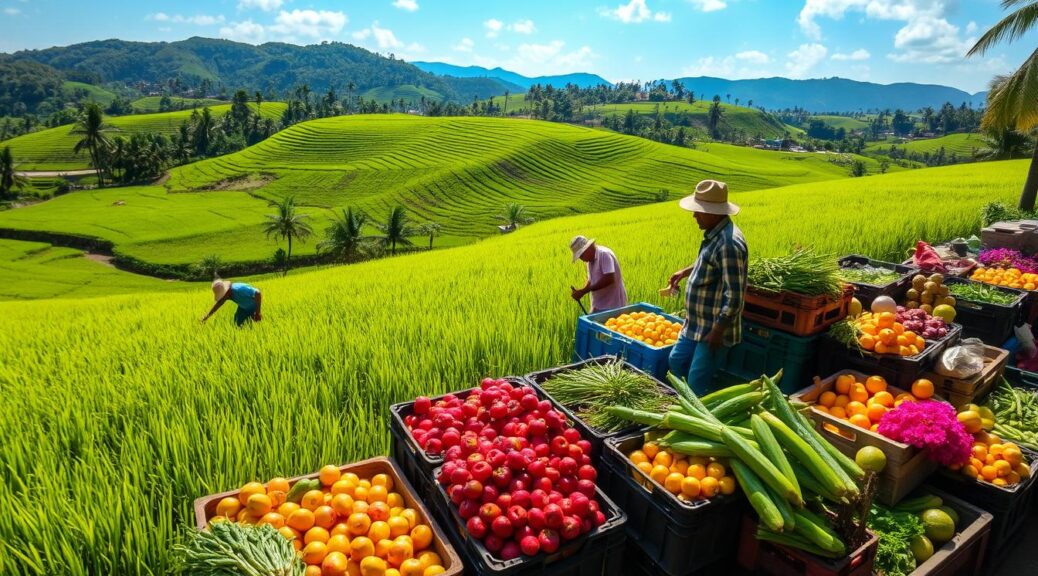
Key commodities show significant export increases. Tea exports jumped from USD 407.6 million to USD 450.5 million between April 2023 and 2024. Coconut exports rose from USD 212 million to USD 263 million in the same period.

Rubber exports also grew, reaching USD 335 million by April 2024, up from USD 299 million. This surge stems from better crop yields, increased global demand, and advanced farming technologies.

Government support for the rural economy and agricultural production policies have boosted this positive trend. The growth in exports is set to improve Sri Lanka’s trade surplus and economic recovery.

Rising demand for Sri Lankan goods positions the country to strengthen its global trading presence. This opportunity could further enhance Sri Lanka’s role in international commodities markets.

Decisive Actions Fuel Agricultural Export Growth

Sri Lanka’s agricultural sector has shown impressive growth despite recent climate challenges. The government’s proactive measures in 2023 have driven this success. Secretary Dharmakeerthi highlighted the sector’s achievements at a recent press briefing.

Strategic agricultural policies have been key to driving sector growth. These include subsidized fertilizer supply and support for tea cultivation projects. These initiatives have ensured essential inputs and provided financial support to farmers.

Overcoming Challenges and Adverse Weather Conditions

Sri Lanka’s agricultural sector has shown remarkable adaptability despite adverse weather. The government’s timely interventions have helped mitigate these challenges. Subsidies for fertilizers and support for replanting efforts have been crucial.

Proactive Measures Implemented in 2023 Lead to Substantial Growth

The government’s 2023 measures have set a strong foundation for 2024 growth. A special program ensuring adequate fertilizer supply has been implemented. Ongoing support for tea replanting and new cultivation projects continues.

Tea exports to Iran alone reached USD 250.9 million for fuel debt. Coconut exports increased from USD 212 million to USD 263 million, a 24% rise. Rubber exports grew from USD 299 million to USD 335 million by April 2024.

Cinnamon and pepper exports also showed positive trends. These results reflect the sector’s overall growth. They also demonstrate the effectiveness of the government’s supportive policies.

Agricultural Exports Surge in First Half of 2024, Reports Ministry

Sri Lanka’s agricultural exports have soared in the first half of 2024. Favorable commodity prices and increased production volumes have boosted the country’s export performance. The global economic recovery and growing international demand have driven this surge.

Tea Exports Rise from USD 407.6 Million to USD 450.5 Million

Tea exports jumped from USD 407.6 million to USD 450.5 million between April 2023 and 2024. High-quality Ceylon tea is in increasing demand worldwide. Sri Lanka is also expanding its presence in new markets.

Coconut Exports Climb from USD 212 Million to USD 263 Million

Sri Lanka’s coconut exports showed remarkable resilience despite weather challenges in 2023. Coconut-related exports rose from USD 212 million to USD 263 million. This represents a 24% increase in earnings compared to the previous year.

Rubber Exports Increase from USD 299 Million to USD 335 Million

Rubber exports in Sri Lanka grew from USD 299 million to USD 335 million. New planting and replanting projects have expanded rubber cultivation. The government has provided substantial financial support for these initiatives.

Cinnamon and Pepper Exports Show Robust Growth

Cinnamon and pepper exports have also experienced strong growth. Global demand for these spices has increased. Sri Lanka’s reputation for high-quality varieties has contributed to this growth.

Sri Lankan President Resigns Amid Mass Protests 2022

Sri Lankan President Resigns Amid Mass Protests 2022

President Gotabaya Rajapaksa decided to resign, marking a historic moment for Sri Lanka. The public’s call for change led to widespread protests. These protests brought political unrest to the country. Rajapaksa, at 73, chose to resign on July 13, 2022. He wanted to make sure power passed on peacefully. This happened during the country’s biggest government crisis in 70 years.

Sri Lanka’s political scene was shaken by months of intense protests. The protests were fueled by rising inflation, which hit 54.6 percent in June. People also faced severe shortages of food, fuel, and medicines. This led them to demand a $3 billion bailout from the International Monetary Fund (IMF). When President Rajapaksa secretly left his residence, protesters took over it. Prime Minister Ranil Wickremesinghe also announced he would resign. This was to help start a new government with multiple parties involved.

Key Takeaways

  • President Gotabaya Rajapaksa decided to resign amid a severe economic and government crisis incited by mass protests.
  • Widespread public unrest manifested through significant social movements, culminating in the occupation of the presidential residence.
  • Inflation has drastically affected Sri Lankan citizens, with rates soaring to 54.6 percent within the country.
  • An immense crowd of protesters, reflecting the nation’s demand for change, has played an integral role in the political shifts.
  • The planned resignation of President Rajapaksa and Prime Minister Wickremesinghe heralds a potential shift to a more democratic era in Sri Lanka.
  • The national crisis was marked by shortages of essential resources and an appeal to the International Monetary Fund for economic relief.
  • The announcement of leadership resignations ignited celebrations in Colombo, signaling a hopeful turn for Sri Lanka’s future.

Mass Protests Lead to Resignation of President Gotabaya Rajapaksa in 2022

In 2022, Sri Lanka faced tough times. Political and economic issues caused big protests and calls for change. People wanted leaders to answer for their actions. This led to a huge increase in protests, especially in Colombo, the capital.

The Escalation of Public Unrest in Sri Lanka

The protests in Colombo grew larger than ever before. People were really upset with the government. Bad economic decisions were to blame. By February 2022, Sri Lanka had only $2.31 billion left. This was not enough to pay off its debts. Crowds of protestors filled the streets. They wanted leaders to fix things right away.

President Gotabaya Rajapaksa’s Flight from Presidential Residence

On July 9, 2022, protestors took over the Presidential home. The police couldn’t stop the large crowds. This forced President Rajapaksa to leave with the help of the military. He resigned five days after. Leaders around the world recognized this. It was a key moment for Sri Lanka’s hope for better leadership.

Nation’s Response and Celebrations Post-Resignation Announcement

When President Rajapaksa resigned, people across the country celebrated. It was a big moment of joy and hope for everyone. They believed this would lead to a government that listens to its people. The protests put Sri Lanka in the global news. It showed the world their struggles and desire for change.

Prelude to the Political Upheaval: Sri Lanka’s Economic Crisis

Before 2022, Sri Lanka was facing a tough time. The country was dealing with a huge foreign debt crisis. This situation made life hard for its people due to a lack of fuel and food. These problems led to big political changes and calls for the government to do better.

Sri Lanka owed $51 billion to other countries. They needed to pay back $28 billion by 2027. By April, the country could not pay its loans, which was a first. This caused even bigger problems, making it hard to get important goods into the country. There was a big shortage of things people needed every day.

The country’s financial troubles made it hard to talk with the IMF about getting help. Because of this, living costs soared, making life difficult for many people. Prices went up by 54.6%, and people were worried the country would go bankrupt. This fear and frustration led to big protests at places like Galle Face Green.

Economic Indicator Status in Early 2022 Status at Mid-Year
Foreign Debt $51 billion $51 billion (Default)
Fuel Availability Limited Critical Shortages
Food Availability Sparse Severe Scarcity
Inflation Rate Elevated 54.6%

Due to these tough conditions, people all over the country protested, especially at Galle Face Green. They were not just upset about the economy. They also wanted big changes in how the country was run. The severe economic problems showed the big issues Sri Lanka faced. The people’s strong desire for change was clear and powerful.

Sri Lanka’s Struggle for Democracy and Civil Revolt

The fight for democracy in Sri Lanka has deep roots linked to the Rajapaksa family’s dominance. For about twenty years, they controlled key government roles. This control led to a widespread demand for political change and reforms from the people.

Political Dynasty: The Rajapaksa Family’s Two-Decade Reign

The Rajapaksa family had a big role in Sri Lanka’s government. They were involved in various positions, from president to finance minister. Their era was filled with issues like nationalism, corruption, and poor economic choices. These problems led to economic crises, making people want a complete change in government.

Transformation of Peaceful Protests to a National Movement

What started as peaceful protests turned into a significant national movement. Thousands marched in Sri Lanka, with major protests at places like Galle Face Green. People took over public areas, showing their frustration. This included families demanding justice for lost ones from the civil war, ongoing for over 1,900 days.

International Response to the Government Crisis

The world has taken notice of Sri Lanka’s political problems, understanding its impact on regional peace. The United States, in particular, has been outspoken. They support the peaceful protestors and are ready to help stabilize Sri Lanka politically and economically. This global concern highlights the need for quick and effective solutions.

Issue Impact Response
Ban on Chemical Fertilizers Devastated agriculture, leading to a 20% drop in rice production and an 18% decrease in tea exports Policy reversed after significant economic backlash
Economic Mismanagement Severe economic crisis leading to the first financial default in Sri Lanka’s history IMF debt restructuring program put on hold; calls for increased transparency and economic reforms
Corruption and Nepotism Heightened public distrust and indignation, fuelling mass protests Popular demands for the Rajapaksa family’s exit from politics and enhanced political accountability

Sri Lanka’s journey towards democracy is marked by strong internal efforts and global support. This movement continues to attract worldwide attention as it seeks to solve long-standing political challenges.

Aftermath and the Search for Political Stability in Sri Lanka

After mass protests, Sri Lanka faces a big challenge. Gotabaya Rajapaksa’s recent resignation has created a need for stable leadership. The country is in its worst economic crisis since becoming independent. The protests show that people want a reliable and open government.

Sri Lanka is at a critical point. It needs a strong plan for recovery. This includes getting help from the International Monetary Fund, fixing foreign debt, and getting international aid. The government must listen to its people and make governance transparent. This is key to Sri Lanka’s success. Problems like the struggling education system need fast solutions. These issues are pressing, especially after mistakes like the sudden fertilizer ban that hurt food supply.

OMP Sri Lanka believes that with smart financial policies and help from other countries, it’s possible to improve the economy. By working on issues like hyperinflation and large debts, Sri Lanka can overcome its crisis. Recent events highlight the need for wise and strong policies. The people, who have protested for change, now wait for a government that can lead them to a better and more secure future.