Browsed by
Category: News

Sri Lanka Government Launches Domestic Debt Restructuring Plan

Sri Lanka Government Launches Domestic Debt Restructuring Plan

Sri Lanka has unveiled a domestic debt restructuring plan to tackle its economic crisis. The strategy aims to meet IMF bailout conditions and restore stability. The goal is to reduce overall debt to 95% of GDP by 2032.

Government Launches Domestic Debt Restructuring Plan

Sri Lanka is implementing major economic reforms as part of the IMF program. The plan includes a 30% haircut for local dollar-denominated bonds. These bonds will have a six-year maturity at 4% interest.

Bilateral dollar creditors have a different option. They can choose no principal haircut with a 15-year maturity. This option includes a nine-year grace period at 1.5% interest.

The restructuring also covers local currency bonds held by superannuation funds. These will be swapped for longer maturity bonds with 9% interest. CBSL-held Treasury bills will become bonds maturing between 2029-2038.

Sri Lanka’s economy faces severe challenges. The country’s GDP shrank by 7.8% in 2022 and 11.5% in Q1 2023. Real wages fell by 30-50% in 2022. Nearly 43% of children under five suffer from malnutrition.

The government aims to finalize debt restructuring talks by September. This aligns with the first review of its IMF program. The goal is to address pressing issues and pave the way for economic recovery.

Overview of Sri Lanka’s Domestic Debt Restructuring Plan

Sri Lanka’s Central Bank has unveiled a new debt restructuring strategy. This plan aims to restore economic stability and meet IMF bailout conditions. It’s a vital step towards debt sustainability and improved fiscal policy.

Sri Lanka debt restructuring plan

The plan covers part of Sri Lanka’s $42bn domestic debt. It’s crucial for reaching the IMF’s target of reducing overall debt to 95% of GDP by 2032. Local currency bonds will be exchanged for longer-term bonds with 9% interest.

Impact on Retirement Funds

Sri Lanka’s retirement funds, worth Rs 4,354 billion, are greatly affected by this plan. The real value of these funds dropped by over 40% in 2022. This was due to currency depreciation and price increases.

Retirement Fund Total Asset Value (Rs billion) Accounts (millions)
Employees’ Provident Fund (EPF) 3,919 19.2
Other Retirement Funds 435
Total 4,354

The debt restructuring could cause retirement funds to lose 29% of their value over 10 years. By 2038, they might lose 47% of their value. These funds’ value is expected to drop from 17.7% to 9.4% of GDP.

Importance for External Debt Renegotiations

The success of this plan is vital for Sri Lanka’s $36bn external debt talks. This includes $24bn held by bondholders and creditors like China, Japan, and India. By showing commitment to reforms, Sri Lanka can improve its chances for favorable external debt terms.

Government Launches Domestic Debt Restructuring Plan

Sri Lanka’s government has unveiled a domestic debt restructuring plan to address the country’s economic crisis. The plan targets $42.1 billion of Sri Lanka’s $83 billion total debt. It’s supported by 122 lawmakers in the 225-member parliament.

This plan is part of the conditions for the IMF bailout package. It aims to tackle the domestic portion of Sri Lanka’s debt.

Options for Holders of Locally Issued Dollar-Denominated Bonds

The restructuring plan offers three options for holders of locally issued dollar-denominated bonds. These bonds include Sri Lanka Development Bonds (SLDBs).

Option Principal Haircut Maturity Interest Rate
1 30% 6 years 4%
2 15 years (9-year grace period) 1.5%
3 Exchange for local currency bonds 10 years SLFR + 1%

Treatment of Local Currency Bonds Held by Superannuation Funds

Superannuation funds’ local currency bonds will be exchanged for longer maturity bonds. These new bonds will mature between 2027 and 2038 with a 9 percent interest rate.

Funds refusing to participate may face a 30 percent tax penalty. This applies to pension funds and other superannuation funds.

Exclusion of Treasury Bills and Bonds Held by Banking Sector

Central Bank governor Nandalal Weerasinghe proposed converting treasury bills into longer-maturity treasury bonds. However, the banking sector’s treasury bills and bonds are excluded from restructuring.

This exclusion considers the significant stress currently faced by the banking sector.

Importance of Domestic Debt Rework for Foreign Debt Renegotiations

The domestic debt restructuring is expected to boost foreign debt renegotiations. Sri Lanka aims to reduce its $36bn foreign debt by $17 billion through restructuring.

The government is engaging with foreign creditors like the Paris Club, India, and China. They plan to finalize debt restructuring talks by September.

This timeline aligns with the first review of Sri Lanka’s IMF programme. The IMF recently approved a nearly $3 billion bailout package for the country.

Conclusion

Sri Lanka’s domestic debt restructuring plan is a key step towards economic recovery. The Central Bank will present the framework to Parliament for approval. They aim to finalize the bond exchange of superannuated funds by July’s end.

The government declared a five-day holiday from June 29 to July 3. This move will help manage market volatility and allow for loss recognition from bond sales. The plan’s success is crucial for creditor negotiations and regaining financial stability.

The debt agreements will reduce the government’s annual fiscal requirement by over 13%. This reduction will occur between 2027-2032, keeping debt payments below 4.5% of GDP. The government plans to clear bilateral loan installments by 2028 and settle concessional loans by 2043.

The President has outlined a four-step plan to boost the economy. It focuses on securing credit, implementing fiscal discipline, and attracting foreign investment. The goal is to transform Sri Lanka into a developed economy by 2048.

The restructuring plan’s execution within two years shows remarkable progress. Moving from near-bankruptcy to positive outcomes is impressive by global standards. This plan will play a vital role in creating a stable, prosperous future for Sri Lanka.

Sri Lanka Declares Bankruptcy Amidst Economic Crisis 2022

Sri Lanka Declares Bankruptcy Amidst Economic Crisis 2022

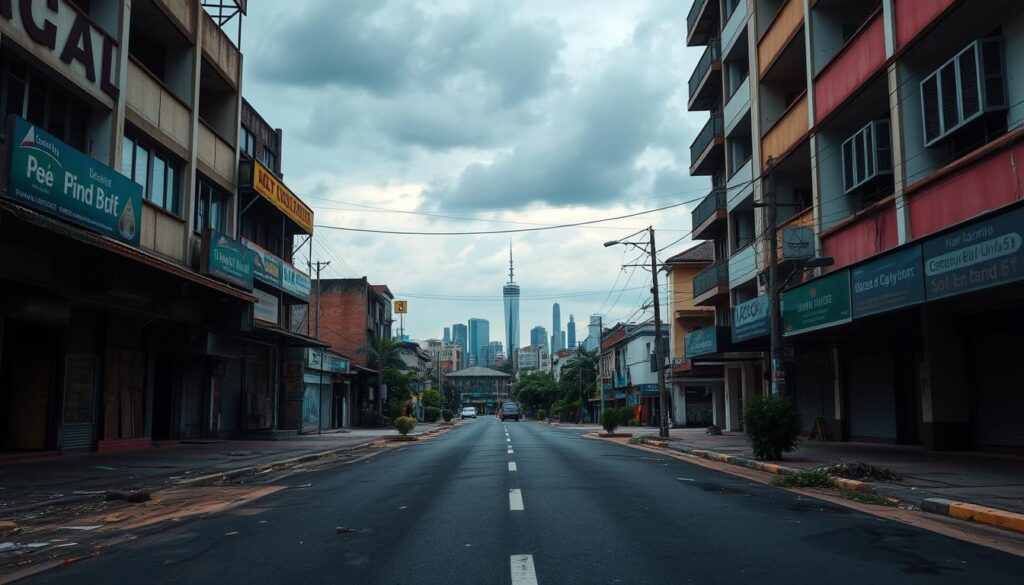
Sri Lanka faces its worst economic collapse since 1948. The country’s financial woes have led to sky-high inflation and depleted foreign reserves. Essential goods are scarce, and basic commodity prices have soared.

Sri Lanka Declares Bankruptcy Amidst Severe Economic Crisis in 2022

The crisis has sparked nationwide protests and resulted in Sri Lanka’s first sovereign debt default. Prime Minister Ranil Wickremesinghe admitted in parliament that the economy had collapsed.

Political turmoil and poor economic choices have worsened the situation. The Sri Lankan Rupee hit a record low of LKR 368.50 against the US dollar in November 2022.

This represents a 555% annual depreciation. By May 24, 2023, the currency had improved to LKR 305.00. However, economic recovery remains a distant goal.

The country’s heavy reliance on foreign debt and dwindling reserves have contributed to the crisis. Policy missteps have also played a role. These factors have left Sri Lankans bearing the brunt of economic hardship.

Background of Sri Lanka’s Economic Crisis

Sri Lanka’s economic crisis has been brewing for over a decade. The country’s debt-to-GDP ratio has been rising since 2010. Foreign debt skyrocketed from $11.3 billion in 2005 to $56.3 billion in 2020.

The debt as a percentage of GDP jumped from 42% in 2019 to 119% in 2021. This massive debt, along with policy confusion and political turmoil, led to economic collapse.

Sri Lanka debt-to-GDP ratio

The Institute of Policy Studies of Sri Lanka warned about economic risks in 2014. However, the government ignored these economic warnings. Political chaos in 2018 made things worse.

A new government in 2019 scrapped the Central Bank Bill. This bill aimed to free the bank from political meddling and stop money printing.

Mounting Debt and Dwindling Reserves

Sri Lanka’s foreign currency reserves have fallen drastically. They dropped from $7.6 billion in late 2019 to $250 million in early 2022. The country owes $7 billion to China and $1 billion to India.

Sri Lanka faces a yearly deficit of $3 billion due to import-export imbalance. This has made it hard for the country to pay its debts.

Year Foreign Debt (US$ billion) Foreign Debt as % of GDP
2005 11.3
2019 42%
2020 56.3
2021 119%

In 2019, the government slashed taxes, losing $1.4 billion in yearly revenue. This put more strain on the country’s finances. Sri Lanka’s external debt kept growing, with $8.6 billion due in 2022.

These factors pushed Sri Lanka to the edge of bankruptcy. The country now faces a severe economic crisis.

Causes of Sri Lanka’s Economic Collapse

Sri Lanka’s economy crumbled in 2022 due to several factors. Large tax cuts, excessive money printing, and growing foreign debt were key issues. The Gotabaya Rajapaksa government’s tax cuts slashed revenue and worsened fiscal policies.

To cover spending, the Central Bank printed money at record levels. This ignored advice from the International Monetary Fund (IMF). The excess cash led to higher purchasing power and import demand.

As a result, the balance of payments deficit grew. The gap was filled with costly loans from international commercial markets.

Sri Lanka’s Foreign Debt Burden

Sri Lanka’s foreign debt skyrocketed from $11.3 billion in 2005 to $56.3 billion in 2020. It rose from 42% of GDP in 2019 to 119% in 2021. By 2024, external debt reached $37,040 million, 43% of GDP.

The mounting debt and dwindling foreign reserves led to a crisis. In April 2022, Sri Lanka defaulted on its foreign debt obligations.

Year Foreign Debt (USD Billion) Foreign Debt as % of GDP
2005 11.3
2019 42%
2020 56.3
2021 119%
2024 37.04 43%

Credit Rating Downgrade

The economic crisis led to a downgrade in Sri Lanka’s credit rating. International agencies lowered it to default grade. This made it harder for the country to borrow more money.

The credit downgrade worsened Sri Lanka’s economic troubles. It limited access to global financial markets and increased borrowing costs.

These issues played a major role in Sri Lanka’s 2022 economic collapse. Addressing these problems and implementing reforms is crucial for recovery and future stability.

Sri Lanka Declares Bankruptcy Amidst Severe Economic Crisis in 2022

In 2022, Sri Lanka faced a dire financial situation. Prime Minister Ranil Wickremesinghe declared the country “bankrupt” during an unprecedented economic crisis. The nation’s foreign exchange reserves dropped to $2.31 billion by February.

Sri Lanka owed around $4 billion in debt repayments that year. This included a $1 billion international sovereign bond due in July. The country struggled to meet these obligations.

Foreign reserve depletion left Sri Lanka with less than a day’s worth of fuel. Schools suspended operations, and citizens faced severe fuel shortages. Food insecurity became widespread due to the economic collapse.

Sri Lanka defaulted on its debt for the first time since 1948. The country spent 9.2% of its GDP on foreign debt payments in 2022 alone.

Inability to Pay Foreign Debt Obligations

Sri Lanka’s total debt burden reached $51 billion. The nation owed about $29 billion from July 2021 to 2026. It couldn’t meet debt repayments, including a $78 million coupon payment on two bonds.

Prime Minister Acknowledges Economic Collapse

Wickremesinghe’s bankruptcy statement highlighted challenges in IMF negotiations. Sri Lanka entered talks as a bankrupt nation, not a developing one. This made economic recovery uncertain and difficult.

The crisis deeply affected Sri Lanka’s 21.8 million people. The UN reported that four out of five people now skip meals. Sri Lanka has South Asia’s second-highest child malnutrition rate, after Afghanistan.

Conclusion

Sri Lanka’s financial crisis stems from years of economic mismanagement, excessive debt, and global crises. The country’s GDP shrunk by 7.1% in 2022’s first three quarters. Inflation peaked at 70% in September 2022 but dropped to 54% by January 2023.

The government seeks IMF and international aid to tackle the crisis. Sri Lanka owes $51 billion externally, with 13 banks on rating watch negative. It’s among the world’s biggest loan defaulters, making the IMF bailout crucial.

The UN warns of a looming humanitarian crisis in Sri Lanka. About 500,000 more people now depend on aid. The country faces severe shortages of essentials like food, fuel, and medicine.

The financial crisis has pushed many into poverty. Predictions suggest a 10.9 percent poverty rate by 2021, equal to $3.20 per day.

Sri Lanka must prioritize its citizens’ well-being and address the crisis’s root causes. This includes reforms, improving transparency, and working with international partners. Only then can Sri Lanka build a more stable and prosperous future.

Sri Lanka and Pakistan Discuss Enhancing Air Connectivity

Sri Lanka and Pakistan Discuss Enhancing Air Connectivity

Sri Lanka and Pakistan are exploring ways to boost air connectivity. Both nations are key members of SAARC. Improved aviation cooperation could significantly boost economic growth and bilateral ties.

The SAARC region has 1.936 billion people, 24.1% of the global population. Its combined GDP is $4.491 trillion. These factors make air connectivity crucial for the region’s development.

The seventh Round of Bilateral Political Consultations took place in Islamabad. It highlighted the need for stronger air travel agreements. Both countries see potential benefits in increased connectivity.

Sri Lanka and Pakistan Discuss Enhancing Air Connectivity to Boost Tourism

Sri Lanka’s tourism industry peaked in 2018 with 2.5 million visitors. These tourists spent US$5.6 billion. The country aims to attract more foreign investment in tourism.

Sri Lanka faced challenges from the COVID-19 pandemic and past civil war. Yet, it remains committed to developing its tourism sector. Enhancing air connectivity with Pakistan is part of this strategy.

Pakistan has been a top source of tourists for Sri Lanka. In 2018, 9,774 Pakistani tourists visited. The numbers rose to 10,744 in 2019. Even in 2020, 6,260 Pakistani tourists came to Sri Lanka.

Better aviation links could encourage more travel between the two nations. This would benefit both economies. It would also strengthen bilateral relations between Sri Lanka and Pakistan.

High-Level Pakistani Delegation Meets Sri Lankan Prime Minister

A top Pakistani business team met with Prime Minister Harini Amarasuriya this week. They discussed ways to boost economic ties between their countries. The focus was on improving air travel, tourism, and trade.

Prime Minister Amarasuriya praised the strong partnership between Sri Lanka and Pakistan. She noted the benefits of better air links. These could boost tourism and create new economic opportunities.

Exploring Possibilities of Strengthening Aviation Links

The Pakistani team stressed the need for better air connections. More flights and new routes could help business and personal travel. This fits with Sri Lanka’s recent agreements to boost tourism with other countries.

Potential Benefits for Sri Lanka’s Tourism Industry

Better air links could greatly help Sri Lanka’s tourism. Pakistan is a key source of visitors to Sri Lanka. Improved flights could bring more tourists to the country.

This comes at a crucial time for Sri Lanka’s tourism sector. The industry has faced recent challenges and is looking to recover.

The meeting set the stage for more teamwork in tourism and trade. Both countries aim to strengthen their relationship. Improved connections and trade are expected to help both nations grow.

Sri Lanka and Pakistan Discuss Enhancing Air Connectivity to Boost Tourism

Sri Lanka and Pakistan held their seventh Bilateral Political Consultations in Islamabad. Foreign Secretaries Aruni Wijewardane and Muhammad Syrus Sajjad Qazi co-chaired the meeting. They reviewed relations in economy, trade, defense, security, education, culture, and more.

Seventh Round of Bilateral Political Consultations in Islamabad

Both sides stressed the importance of high-level political exchanges. They agreed to tackle transnational organized crime, including drug trafficking. The talks highlighted potential for better air links between Colombo and Islamabad.

Pakistan is Sri Lanka’s second-largest SAARC trading partner after India. Improved air connectivity could boost trade under the 2005 free trade agreement.

Increasing Connectivity and Bilateral Trade for Economic Growth

Tourism is vital to Sri Lanka’s economy. Better air links could attract more Pakistani tourists to Sri Lanka’s diverse landscapes. It may also lead to more business exchanges and stronger economic ties.

Sri Lankan exports already have a significant share in Pakistan. Direct flights could further increase bilateral trade. This focus on air connectivity shows a vision for stronger economic cooperation.

Enhancing Tourism and People-to-People Contacts through Cultural, Religious, and Sports Links

The talks emphasized air connectivity’s role in boosting tourism and cultural exchanges. At the meeting’s end, Sri Lanka donated five eye corneas to Pakistan. This gesture shows the strong ties between the two nations.

Improved air links could further strengthen these connections. It would make travel easier for tourism, cultural events, and sports exchanges.

Sri Lanka: New Education Initiatives Announced by Govt

Sri Lanka: New Education Initiatives Announced by Govt

Sri Lanka’s government has unveiled groundbreaking education reforms. These policies aim to improve schools and enhance student support services. President Ranil Wickremesinghe has prioritized significant funding for the education sector.

The 2023 education budget includes major investments in resources. These include free textbooks worth Rs. 20 billion and uniforms for over four million students. The government also provides comprehensive health coverage for students.

These policies show a strong commitment to improving education quality. They also ensure equal access for all students. The government aims to create South Asia’s most advanced educational system.

The ministry has introduced technology streams in National Colleges of Education. This move modernizes teacher education for the digital age. It equips instructors with skills for the global economy.

The reforms also focus on vocational education and skill development. A 13-year education strategy includes initiatives for vocational training programs. These programs will provide students with marketable skills for the job market.

Cambridge Climate Quest: Self-Paced Study Course for Grades 8-12

Cambridge University Press and Assessments has launched the Cambridge Climate Quest. This free self-paced learning program is for students in grades 8-12. It teaches essential knowledge about climate education and sustainability studies.

The course will be available in Sinhala, Tamil, and English. Scholars from Cambridge Zero have created high-quality materials that match the latest curriculum updates.

Comprehensive Program Offered in All Three National Languages

The Cambridge Climate Quest is accessible to students across Sri Lanka. By offering the course in three languages, it reaches a wide audience. This approach fosters a deeper understanding of sustainability among Sri Lankan youth.

Equipping Young Learners with Essential Knowledge of Climate and Sustainability

Students can progress through the course materials at their own speed. This flexibility allows them to fully grasp the concepts and engage with the content. Young learners can take ownership of their education in sustainability studies.

Cambridge Certification Upon Successful Completion

Students who complete the course will receive a Cambridge Certification. This recognition validates their knowledge of climate change and sustainability. The certification can open doors to future opportunities in sustainability studies.

Christine Ozden, Global Director of Cambridge University Press and Assessments, met with Sri Lankan leaders. She pledged support for this groundbreaking initiative. The collaboration highlights a shared vision of promoting climate education.

The Cambridge Climate Quest is a significant step in curriculum updates. It prioritizes sustainability and environmental awareness. Sri Lanka is setting a strong example for other nations in fighting climate change.

Government Announces Major Initiatives to Boost Education System

The Sri Lankan government has unveiled ambitious plans to improve education across the nation. Education Minister Susil Premajayantha announced the digitalization of the entire education system. This move aims to modernize learning and prepare students for the digital age.

The 2024 budget allocates Rs. 517 billion for education. This includes Rs. 237 billion for the Ministry of Education and Rs. 280 billion for provincial education. The funding allocation shows the government’s commitment to investing in education technology and resources.

A pilot program will launch across all grades in 2024. It will test new teaching methods, curriculum updates, and education technology integration. The government will use the results to refine reforms before nationwide implementation.

Digitalization of the Entire Education System

The government prioritizes digital literacy in education. This involves adopting advanced learning management systems and interactive digital content. Online platforms will improve communication between teachers and students.

Technology will create a more engaging and personalized learning experience. It will also provide teachers with tools to deliver high-quality instruction.

Special Programs for Children with Special Needs and Inclusive Education

The government has created special programs for children with special needs. These programs offer tailored support and resources to ensure quality education for all children.

An inclusive education system will promote diversity, equity, and acceptance in classrooms. Teacher training programs will help educators integrate technology and adapt to the new curriculum.

Sri Lanka’s commitment to education is commendable. With proper investments and support, the country can nurture well-educated, digitally savvy citizens. These future leaders will drive progress in the years to come.

Flinders University, Australia to Establish Offshore Campus in Sri Lanka

Flinders University, an Australian institution, plans to open a campus in Sri Lanka. This move will meet the growing demand for quality degrees in the region. Professor Colin Stirling recently met with President Ranil Wickremesinghe to discuss this project.

Flinders University has shown strong growth in research funding. Their annual income from research grants has increased by 140% in five years. In 2022, the university saw a 39% growth in research income.

The university focuses on cutting-edge fields. These include digital technologies, AI, defense technologies, and digital arts.

The new campus will offer various undergraduate and postgraduate degrees. Programs will cover Engineering, IT, Business, Finance, Marketing, and Medicine. This initiative will improve higher education in Sri Lanka.

Flinders University ranked first in Australia for postgraduate employment in 2021/22. Their industry partnerships provide students with valuable workplace experience. These collaborations help students gain skills needed in today’s job market.

The university is investing in strategic infrastructure. This includes the Health and Medical Research Building and the Factory of the Future. These investments aim to boost research capabilities and enhance the student experience.

FAQ

What is the Cambridge Climate Quest?

The Cambridge Climate Quest is a course for students in Grades 8-12. It teaches about climate and sustainability. Cambridge Zero scholars created the free course in Sri Lanka’s national languages.

How will the government digitize the education system?

The Sri Lankan government plans to digitize the entire education system. Minister Susil Premajayantha announced this initiative with local and foreign support. The goal is to create South Asia’s most advanced educational system.

When will the pilot program for new educational reforms launch?

The pilot program for new educational reforms will start in 2024. It aims to improve the country’s educational landscape. The program will bring changes to all grades.

How much funding has been allocated for education in the 2024 budget?

The 2024 budget allocates Rs. 517 billion for education. Rs. 237 billion goes to the Ministry of Education. Rs. 280 billion is for education at the provincial level.

What is the purpose of establishing an offshore campus of Flinders University in Sri Lanka?

Flinders University, Australia, will open a campus in Sri Lanka. It aims to meet regional demand for higher education. The campus will offer degrees and programs in various fields.

This new campus will enhance Sri Lanka’s educational offerings. It will give local students access to world-class education.

Australia Considers Maxwell for Sri Lanka Test Series

Australia Considers Maxwell for Sri Lanka Test Series

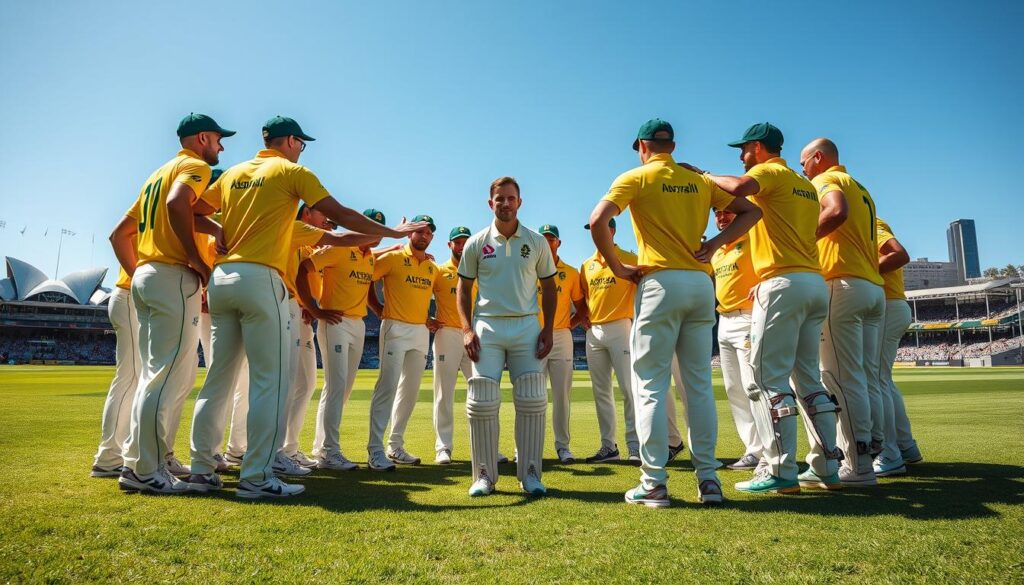
The Australian cricket team is thinking about having Glenn Maxwell play in the upcoming Sri Lanka Test Series. This is as they get ready for a tour that will also improve flights between the countries. Coach Andrew McDonald notes Maxwell’s skills in subcontinental play. This could give them an edge in the matches set for Galle this January and February. Choosing him would be Maxwell’s first Test game since 2017. His dedication to Test cricket shines through in his autobiography, “The Showman”.

As Sri Lanka gets ready to welcome Australia, much depends on Maxwell’s health and current form. This comes after he healed from a broken leg. The upcoming tour includes two Tests, important for the World Test Championship, and an ODI. This ODI is a lead-up to the Champions Trophy. Australia plans to arrive on January 20. This lets players in the Big Bash League finish up before the tour.

Captain Pat Cummins might miss parts of the tour. This underlines the need for experienced and versatile players. Maxwell’s skill, especially against spin and with powerful shots, could counteract Sri Lanka’s Prabath Jayasuriya. He was a key player in the 2022 series. Australia aims for victory in the subcontinent. This reflects Coach McDonald’s goal for a strong, versatile team.

Australia Considers Glenn Maxwell for Upcoming Sri Lanka Test Series

Australia Considers Glenn Maxwell for Upcoming Sri Lanka Test Series

The Australian Cricket Team is preparing for their tour of Sri Lanka. Adding Glenn Maxwell to the squad is a strategic decision. His skills are perfect for the expected spin conditions in Sri Lanka.

Maxwell’s Potential Contribution to Team Australia

Glenn Maxwell’s selection is crucial as Australia faces spin challenges. Maxwell is great at sweeping and reverse sweeping. This could help on Sri Lanka’s spin-friendly pitches. Although he last played a Test match in 2017, his experience could be vital.

Selection Chances After Impressive Performances in BBL

Maxwell is back from a leg injury and has played well in the Big Bash League (BBL). He missed the Test Match Selection against India but his current form argues for his inclusion against Sri Lanka. His batting skills and experience could be key in Sri Lanka.

The Significance of Maxwell’s Experience in Subcontinental Conditions

Andrew McDonald, the team’s head coach, values Maxwell’s skill in subcontinental conditions. He thinks Maxwell handling spin could be essential against Sri Lanka. This experience offers Australia a strategic edge.

Andrew McDonald’s Strategy for Australia’s Tour of Sri Lanka

Australia’s strategy for the Sri Lanka tour combines youth and experience. McDonald stresses the importance of resilience and adaptability. He believes players like Maxwell, with their subcontinental experience, can improve the team’s performance. Maxwell’s skills against spin are especially valued.

The series starts in late January with two tests in Galle. Maxwell’s sweeping could be key on the spin-friendly pitches. Furthermore, educational updates in Sri Lanka show the value of adapting to challenges, like Maxwell adapts to pitches.

Australian Cricket Team Updates

As the team gets ready, the focus is on building a squad for Sri Lanka’s challenges. Maxwell’s sweeping skills and experience are essential. They can help in mastering Test cricket’s demands in such environments.

Glenn Maxwell’s Road to Recovery and Selection

Glenn Maxwell’s journey back to Test cricket has been inspiring for Cricket News followers. After a severe injury, Maxwell worked hard to meet Test match fitness standards. His recovery journey has been complex but he’s now in great form, ready for upcoming selections.

Overcoming the Setback of a Broken Leg

Maxwell’s recovery from a broken leg began after a serious accident. It put his career at risk. Within 12 months, though, he made a full recovery and played again. This shows his bravery and love for cricket, a story many are following.

Maxwell’s Fitness Criteria for Test Cricket

Returning to Test cricket required Maxwell to be in top physical and gameplay shape. He had to prove he could handle Test cricket’s physical demands. Playing for the Victorian Second XI, he showed his readiness for tougher matches by his scores.

Building Form Ahead of the Sri Lanka Tour

Maxwell is getting ready for the Sri Lanka tour with focus on his fitness and mental state. His aim is to meet Glenn Maxwell Selection expectations. Fans of Cricket News are excited, knowing his skill in such conditions.

Glenn Maxwell’s dedication to cricket is key as he gets ready for more matches. Everyone is keen to see his journey of comeback and success on the global level.

Understanding the Spin Dynamics in Subcontinental Cricket

The focus of the Australia Considers Glenn Maxwell for Upcoming Sri Lanka Test Series is on adapting to subcontinental conditions. Coach Andrew McDonald highlights the importance of mastering spin-heavy pitches. This is key to building a team that can handle the challenges ahead.

The importance of facing spinners and changing the way of batting is huge during tours like in Sri Lanka.

Players like Glenn Maxwell, with their skill in playing across the line, are crucial. Maxwell’s vast experience in subcontinental conditions shows his ability to deal with turning pitches. His last game against Bangladesh in 2017 proves his skills.

Player Stats Experience in Subcontinent Relevance to Sri Lanka Series
Test Matches Played 7 (All in Subcontinent) High
Last Test Match Bangladesh, 2017 Critical
Age during Upcoming Match 36 Experienced

Understanding spin play is essential, not just for player selection but for team strategy. Teams visiting the subcontinent must train for spin bowling. Cricket News shows how tricky conditions can lead to upsets and close games. Realizing this during international contests is crucial.

The economic issues in countries like Sri Lanka also play a role. Their financial troubles, reported in Sri Lanka’s economic crisis, add extra challenges. Teams have to consider these aspects both logistically and ethically.

Overall, getting ready for the Australia Considers Glenn Maxwell for Upcoming Sri Lanka Test Series shows how cricket is always changing. It turns big challenges into plans of action.

Conclusion

The Australian Cricket Team is gearing up for their tour in Sri Lanka. Selectors have a tough job. They need to pick a strong team. Plus, they must think about adding Glenn Maxwell back into the Test squad. Maxwell has shown he can shine, especially with his Test century in India. He’s a key player for Australia’s success in the subcontinent. Although he hasn’t played Test cricket since 2017, Maxwell’s dedication is clear. His performance in the recent 50-overs win and his hard work in the Big Bash League prove his commitment.

Currently, Australia holds the title of World Test Champions. However, choosing players for the team is still a detailed process. This is especially true for matches in places like Sri Lanka, where conditions are unique. Adding Maxwell for the series shows Australia’s strategic planning. His skill against spin and his impact in one-day games are valuable. His inclusion is a calculated move for playing on subcontinental pitches.

The early 2025 series against Sri Lanka is approaching. It will test if Maxwell’s white-ball skills can adapt to other formats. It also might fulfill his wish to make a mark in Test cricket again. The Australian team will showcase resilience, smart strategies, and a quest for victory. These are qualities that Maxwell embodies fully.