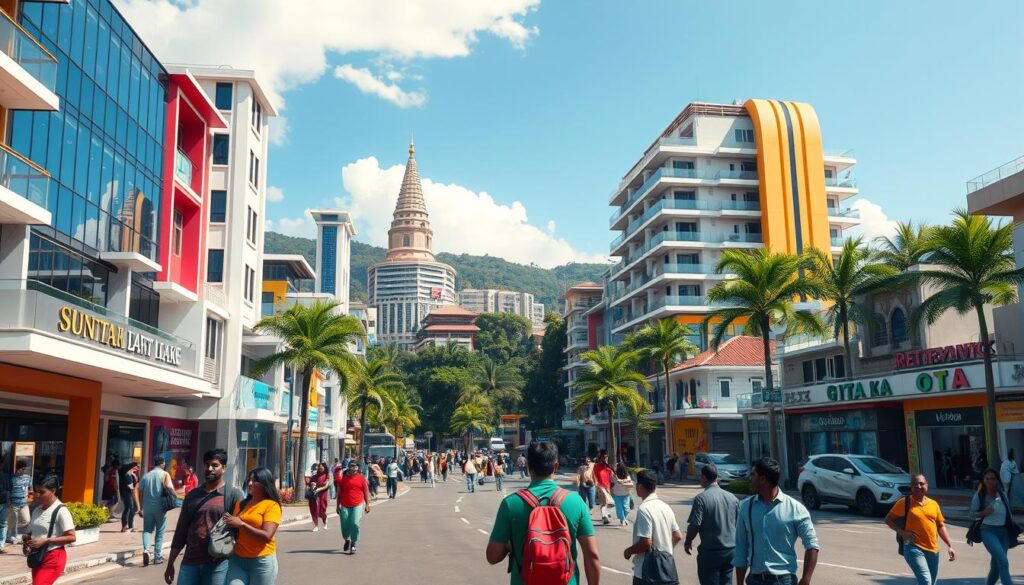
Sri Lanka Approves Starlink’s Satellite Internet Service

Sri Lanka Approves Starlink’s Satellite Internet Service

Sri Lanka’s telecom regulator has given initial approval for Starlink’s satellite internet service. This move will boost broadband connectivity in the country. Starlink’s space tech will help Sri Lanka’s digital growth efforts.

Starlink, owned by SpaceX, is expanding global internet coverage. It has about 2,000 network centers in 32 countries. The company aims to provide fast internet to remote areas.
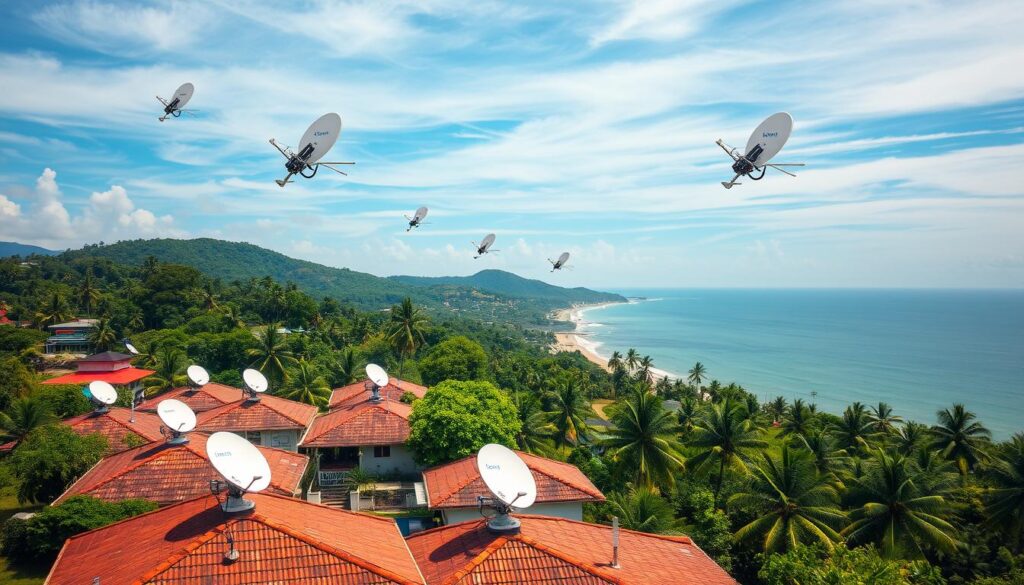
Sri Lanka Grants License to Elon Musk's Starlink for Satellite Internet Services

The State Minister announced Starlink’s approval on June 6, 2024. Initial setup costs range from $400 to $600. The monthly fee is $99 (about LKR 15,000).

There’s also a one-time hardware fee of around LKR 105,000. Starlink isn’t yet a phone network company in Sri Lanka. It has a frequency license under telecom laws.

Future changes will allow for a full telecom service provider license. This will help Starlink operate more easily in Sri Lanka.

President Wickremesinghe wants a relief package for certain groups. This includes school kids, fishermen, and researchers. The goal is to make high-speed internet more accessible.

The Sri Lankan Navy tested Starlink’s technology. They found download speeds of 100Mbps and upload speeds of 22Mbps. These results show Starlink’s potential to improve telecom in Sri Lanka.

Starlink’s service in Sri Lanka will start on August 12, 2024. This is later than the 2023 launch first planned. Talks between TRCSL and SpaceX began on November 29, 2021.

Key Takeaways

  • Starlink receives preliminary approval to provide satellite internet services in Sri Lanka
  • Monthly rental cost: LKR 15,000; One-time hardware fee: LKR 105,000
  • Starlink aims to bridge the digital divide and bring high-speed internet to remote areas
  • President Wickremesinghe instructs relief package for school children, fishermen, and researchers
  • Starlink’s technology demonstrates impressive download and upload speeds in Navy tests

Sri Lanka Grants License to Elon Musk’s Starlink for Satellite Internet Services

Sri Lanka has taken a big step for rural internet access. The country’s telecom regulator has approved Starlink to provide satellite broadband services. This follows a meeting between President Wickremesinghe and Elon Musk in Indonesia.

They talked about speeding up the process to connect Sri Lanka to Starlink’s advanced satellite tech. This move aims to boost internet access in underserved areas of the country.

Telecommunications Regulatory Commission of Sri Lanka (TRCSL) Approves Starlink

The TRCSL has given Starlink the go-ahead to start operations in Sri Lanka. This approval is a big win for SpaceX’s mission to expand high-speed internet access globally.

Starlink focuses on bringing internet to areas that lack good connections. This includes many emerging markets around the world.
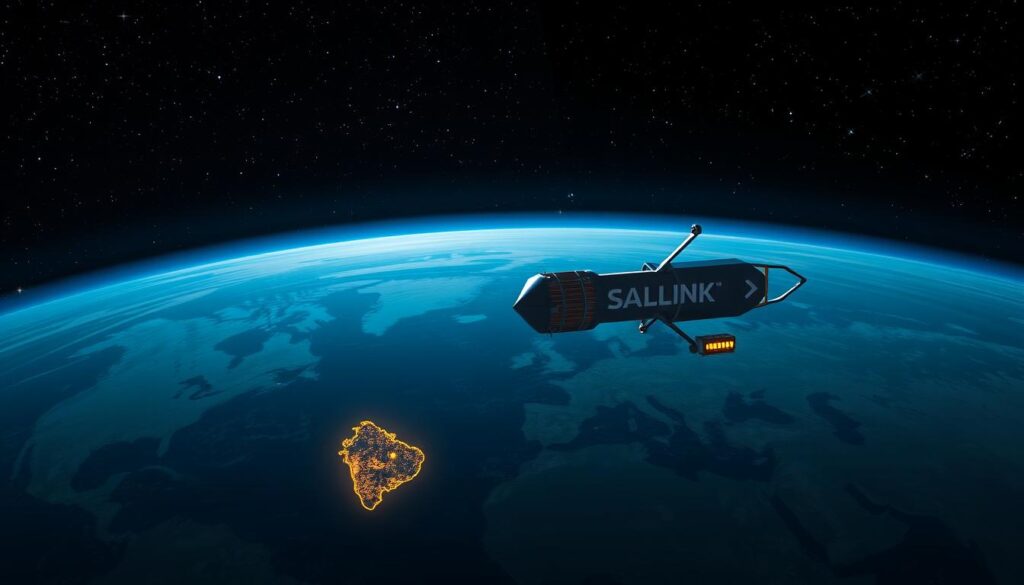
Elon Musk's SpaceX Starlink satellite

Starlink to Provide Satellite Broadband Services in Sri Lanka from August 12, 2024

Starlink will start offering its internet services in Sri Lanka on August 12, 2024. This date allows time to set up the needed infrastructure. The goal is to ensure a smooth launch of the tech across the country.

Meeting Between President Ranil Wickremesinghe and Elon Musk Paves the Way

A key meeting in Indonesia set the stage for this big agreement. President Wickremesinghe and Elon Musk talked about quickly linking Sri Lanka to Starlink.

They saw the huge potential for improving Sri Lanka’s internet access. This move could greatly boost the nation’s digital connectivity.

Aspect Details
License Granted By Telecommunications Regulatory Commission of Sri Lanka (TRCSL)
Company Granted License Elon Musk’s SpaceX (Starlink)
Service Commencement Date August 12, 2024
Key Meeting President Ranil Wickremesinghe and Elon Musk in Indonesia

Transformative Impact on Sri Lanka’s Connectivity

Sri Lanka’s approval of Starlink’s satellite internet service is a game-changer. It paves the way for a digital revolution. This move will boost connectivity in remote areas and vital sectors like education and fishing.

Bridging Connectivity Gaps in Remote Areas

Sri Lanka faces high costs in connecting sparsely populated areas. SpaceX’s 6,000+ Starlink satellites can bridge these gaps. This aligns with Sri Lanka’s National Digital Transformation Initiative.

Enhancing Education Sector with Global Resources and Interactive Learning

Starlink’s service will revolutionize Sri Lanka’s education sector. Fast, reliable internet will unlock global resources for students and teachers. President Wickremesinghe highlights its potential to empower youth in the digital age.

Empowering Fishing Sector with Improved Navigation, Catch Management, and Market Connectivity

Sri Lanka’s fishing sector will greatly benefit from reliable satellite internet. Fishermen can access real-time weather updates and improve navigation. Better internet will also help them connect with markets more effectively.

Country Starlink Availability
Sri Lanka First South Asian country to grant Starlink a license
Indonesia Starlink services introduced to improve connectivity in remote regions
India Elon Musk has shown interest, hinting at potential future collaborations

Sri Lanka leads South Asia in granting Starlink a license. It joins countries worldwide benefiting from this cutting-edge technology. Starlink already serves remote areas across Europe, the Americas, Asia, Oceania, and parts of Africa.

Conclusion

Sri Lanka’s digital landscape is set for a revolution. The TRCSL has approved Starlink’s satellite internet services, effective August 12, 2024. This collaboration between the government and Elon Musk’s Starlink promises significant changes.

Starlink already serves 3 million users in nearly 100 countries. It’s expected to expand internet coverage, especially in rural areas. The service aims to bridge connectivity gaps across Sri Lanka.

Starlink’s low earth orbit satellites offer key advantages. They reduce latency and provide faster, more reliable connections. The service is several times quicker than existing fiber technology.

In Sri Lanka, a Starlink connection costs US$ 400 to US$ 600. The monthly fee is US$ 99. These speeds make Starlink a potential game-changer for the island nation.

Successful deployment requires collaboration with local businesses. It also needs effective customer support and robust infrastructure. Amendments to the TRC Act were crucial for Starlink’s operations.

A two-week public consultation preceded the approval. Sri Lanka looks forward to enhanced education and empowered fishing communities. The nation anticipates a brighter, more connected future for all its citizens.
Sri Lanka Parliament Cuts Presidential Powers in Reform

Sri Lanka Parliament Cuts Presidential Powers in Reform

In a big change for Sri Lanka, the Parliament approved the 21st amendment. This move cuts presidential powers. It marks a move towards more democracy in this South Asian country. This major change got support from all sides, showing the country wants change during a tough financial time. The goal is to change how the government works, fight corruption, and help the economy recover.

People had protested against the former President Gotabaya Rajapaksa. This led to his stepping down. It showed people want a government that is open and careful with money. These new changes promise to limit the president’s control. They also aim to make the parliament stronger. These are important steps for political steadiness and fixing the economic problems.

Key Takeaways

  • 179 lawmakers voted for the 21st Amendment, putting limits on the Sri Lankan president’s power.
  • The amendment starts a new way of governing. A constitutional council will now guide presidential choices.
  • With these changes, President Ranil Wickremesinghe’s role comes after Gotabaya Rajapaksa was removed.
  • The 21st Amendment aims for a government that is open, skilled, and responsible. It focuses on getting the economy back on track.
  • Putting a limit on cabinet ministries will make the government run smoother and more effectively.
  • A stronger role for the parliament shows a shift towards a democracy with more control over the executive branch.
  • Important constitutional bodies and councils will enhance expertise, openness, and responsibility in how Sri Lanka is governed.

Sri Lanka’s Parliament Approves 21st Amendment to Curb Presidential Powers

The Sri Lankan Parliament has recently made a big move. They ratified the 21st Amendment to change how their country is governed. This is big news in Sri Lanka, because it aims to take away some of the president’s power. The goal is to make the country’s leadership more democratic.

Rationale Behind the Constitutional Change

Sri Lanka is facing tough economic problems. This situation led to the push for the 21st Amendment. The last amendment gave the president too much power. Now, with this change, they want to make things fairer. They aim to boost the role of Parliament and other independent groups.

The Opposition and Civil Society’s Stance

Not everyone is happy with the new amendment. Some people and groups think it doesn’t do enough to reduce the president’s power. They say it’s a good start. But, the president still has too much control over important areas. This might slow down true democratic reform and the fight against corruption, they believe.

Impact on Governance and Anti-Corruption Safeguards

This amendment is seen as a key step for fighting corruption and improving leadership in Sri Lanka. It aims to make governance more transparent and responsible. It’s also vital for Sri Lanka to get international help, like the support from the IMF. This is needed for the country to recover economically.

Also, according to news on Sri Lankan politics, this change could really shake things up. It pushes the country towards being more democratic. Everyone is watching to see how these reforms turn out, both in Sri Lanka and around the world.

Understanding the Implications of Parliament Amendment Sri Lanka

The recent constitutional amendment in Sri Lanka, known as the 21st Amendment, has made big news. It changes the political landscape a lot. Aimed at reducing the Executive President’s powers and boosting parliamentary authority, it got a large majority in Parliament. This moment is key for Sri Lanka’s politics. The amendment is about balancing government powers and answering calls for better governance.

The 21st Amendment saw great agreement in Parliament, going beyond party lines. To pass, it needed a two-thirds vote from the 225-member house. It got 179 votes in favor. This shows a rare unity in the legislature during a time when people strongly wanted change. It’s a major step in Sri Lanka’s constitutional change.

Event Votes in Favor Votes Against Abstentions Outcome
Initial Vote 179 1 (Sarath Weerasekara) 45 Passed with a two-thirds majority
Second Reading Vote 179 1 0 Amendment Approved
Third Reading Vote 174 0 1 Amendment Enacted

The 21st Amendment has an important feature. It stops people with dual citizenship from running in elections. This is to ensure leaders are fully loyal to the nation. From 1994 to 2015, every presidential candidate promised to end the Executive Presidency. This shows a strong wish for reform. The 21st Amendment follows these efforts, starting with the 19th Amendment in 2015, which also aimed to reduce presidential powers.

Looking at Sri Lanka’s current affairs, there’s a consistent effort to change the constitution. The 21st Amendment’s drafting suggested many reforms. These aimed to spread out executive powers which often got misused. The amendments are part of a push for democratic reform. They aim to strengthen legislative structures and encourage fair governance.

In conclusion, passing the 21st Amendment is a milestone in Sri Lanka’s constitutional changes. It shows major progress towards fair and democratic governance. This legislative change marks a pivotal moment in Sri Lanka’s politics. It might lead to more reforms, moving towards more democratic transparency and accountability.

Sri Lanka Governance Amendment: A Step Toward Democracy?

The Sri Lanka Governance Amendment, also known as the 21st Amendment, marks a key moment for the country. It aims to change the political scene by repealing the 20th Amendment. This gave a lot of power to President Gotabaya Rajapaksa. Now, the focus is on reducing the president’s power and strengthening democracy.

This comes as the country faces economic and political challenges. People are calling for clearer governance and better checks and balances. By bringing back parts of the 19th Amendment, Prime Minister Ranil Wickremesinghe seeks to lessen executive power. However, some worry this doesn’t go far enough in shifting power to promote Democracy Sri Lanka.

The 21st Amendment has been approved by the cabinet to give more power to Parliament and adjust presidential powers. Critics say it doesn’t do enough to limit the President’s power. They argue it lacks strong checks and balances, unlike earlier amendments aimed at reducing government control. Still, this update in Sri Lanka Politics might spark further changes toward a democratic system.

Sri Lanka’s Economic Recovery: A Peaceful Political Transition

Sri Lanka’s Economic Recovery: A Peaceful Political Transition

Sri Lanka has shown great strength, working towards stability and growth after a tough financial period. Anura Kumara Dissanayake and the Janatha Vimukthi Peramuna (JVP) won 42% of the votes in the presidential election. This was a huge jump from 3% in 2019. This shift shows the country’s desire for change, leading to a smooth political shift, a first in its history.

Economic growth in Sri Lanka is feeling the impact of this change. Inflation has dropped to 2%, and the Sri Lankan Rupee is stable. The GDP growth rate for 2024 is predicted to hit 4%, surpassing the IMF’s 2% estimate. This builds confidence among investors.

The JVP’s rise to power was notable for its calm approach, avoiding hateful speech. This helped Sri Lanka hold elections without violence. It’s a sign of the country’s growing peace and democratic strength. What was once a difficult political scene is now filled with hope, setting a strong base for future growth.

Sri Lanka's Economic Recovery: A Peaceful Political Transition

As Sri Lanka advances on the world stage, it draws international attention. Good market performance and increasing foreign investment reflect its progress. Despite some restrictions from the IMF, economic reforms are making a difference. This moves Sri Lanka towards lasting stability and wealth.

The Path to Sri Lanka’s Political Stability

In 2022, Sri Lanka faced a massive economic challenge. It saw its GDP plummet by 7.8%, marking one of the worst economic downturns globally. This situation pushed the country onto a path aiming for political stability and a better economy. A significant political shift happened peacefully, suggesting a silver lining amidst tough times.

Year GDP Growth Rate Inflation Rate Government Approval Rating
2022 -7.8% 60% 10%
2023 Projected Positive Growth 21%

There was a huge outcry from the public, leading to a major political change. President Gotabaya Rajapaksa resigned due to people demanding a new direction. This reflects a broader desire for transparent and steady governance focused on healing both the economy and the political landscape.

The government has made moves to stabilize the economy with various reforms. Help from neighboring countries, especially India, has been pivotal. India’s emergency aid was essential in keeping Sri Lanka’s economy from further decline. It included postponing trade payments and crucial credits for importing necessities like fuel and medicine.

Political Stability and Economic Recovery in Sri Lanka

The World Bank’s forecast brings hope to Sri Lanka, predicting 4.4% growth by 2024. The industrial and tourism sectors are expected to drive this recovery. But, the journey is cautious, with ongoing reforms and a debt crisis solution being crucial.

Sri Lanka’s journey towards political stability and economic recovery is closely linked. With this political shift, the world is keenly watching. Everyone hopes for a revival in governance and economic performance, making Sri Lanka stand out in South Asia.

Sri Lanka’s Peace Process and Economic Reforms

Sri Lanka is on a journey towards economic stability and recovery. This journey is closely linked with its peace process. The nation is reshaping through political changes and IMF-backed economic reforms.

The Impact of the IMF Programme and Austerity Measures

The IMF program introduced austerity measures in Sri Lanka. These measures are crucial for stabilizing its economy. They include freezing public sector wages, increasing taxes, and cutting government spending.

Though these steps are vital for recovery, they have also lowered living standards temporarily. To help, the Central Bank of Sri Lanka lowered policy rates. This action aims to boost economic activity.

Reshaping Economic Policies for Sustainable Development

Sri Lanka is changing its economic policies for sustainable growth. The country is finding a balance between fiscal duties and social welfare. These strategies are key for not just recovery but also long-term stability.

Political Reconstruction: The Role of Peacebuilding Efforts

Peacebuilding is shaping Sri Lanka’s political reconstruction. It’s crucial for healing and uniting a divided nation. Efforts include reconciliation and promoting transparency and political inclusion.

Maintaining these political reconstruction efforts is key. It’s essential for Sri Lanka’s peace process and democratic stability.

Aspect Pre-2015 Post-2015
Constitutional Framework 20th Amendment – Hyper-presidentialism 19th Amendment – Diminished executive powers
Political Dominance Rajapaksa family control Shift towards more democratic governance
Reconciliation Initiatives Limited government-led efforts Increased focus on integrated reconciliation processes

The mixture of economic policies, IMF support, and peace efforts is key for Sri Lanka. Staying committed to these reforms will help build a stable and prosperous future.

Conclusion

Sri Lanka is on the rise, thanks to a big economic boost. This success story comes from a tough time. The tourism sector’s growth plays a big part in this. It’s about more than just the numbers; it shows a vital comeback. The country’s economy is growing, driven by tourism, smart debt handling, and new education goals. 1.5 million tourists have visited, showing this isn’t just a temporary win.

The country’s economy is changing dramatically. It faces big hurdles, like a 7.8 percent drop in GDP and high poverty. But there’s hope. A $3 billion boost from the IMF and help from India are making a difference. The peaceful move to President Wickremesinghe’s leadership has made the country more stable. This stability is crucial for the economy to get better.

Things are looking up for Sri Lanka as it keeps moving forward. This progress is supported by global partnerships and stronger regional trade. The education system is also getting an, focusing on thinking skills and digital know-how. These changes are part of a big plan for ongoing progress. Through smart policies and education changes, Sri Lanka is healing from its struggles and aiming for a bright future.

Gourmet Galle Food Festival Celebrates Sri Lankan Flavors

Gourmet Galle Food Festival Celebrates Sri Lankan Flavors

Get ready for a flavor explosion at the Gourmet Galle Food Festival! This 12-week food fest runs from January 12th to March 31st. It showcases Sri Lanka’s diverse cuisine in the stunning Galle Fort, a UNESCO World Heritage Site.

The festival highlights local dishes, seafood specialties, and Sri Lanka’s rich spice history. It’s a partner event to the famous Galle Literary Festival. Top chefs from London, New York, Sydney, and Singapore will join local talent.

Together, they’ll create exciting menus using Sri Lankan ingredients. The goal? To put Sri Lanka on the map as a top spot for food lovers. Visitors will experience the unique blend of cultures that shape Sri Lankan cooking.

Key Takeaways

  • 12-week culinary celebration showcasing Sri Lankan flavors and diversity
  • Impressive lineup of 12 internationally renowned chefs participating
  • Exclusive dinners and masterclasses hosted at luxury venues along the south coast
  • Educational masterclasses covering Sri Lankan cuisine, knife skills, and cooking with spices
  • Festival aims to establish Sri Lanka as a top destination for gourmet travelers

Sri Lanka’s ‘Gourmet Galle’ Food Festival Showcases Culinary Diversity

The Gourmet Galle Food Festival is a 12-week culinary celebration on Sri Lanka’s South Coast. It runs every weekend from January 12th to March 31st. This event aims to showcase Sri Lanka’s diverse cuisine and promote culinary tourism.

12-Week Culinary Celebration on the South Coast

Nations Trust Bank American Express presents the festival with support from key partners. The Sri Lanka Tourism Board and Sri Lankan Airlines are among these partners. Twelve renowned chefs from major food destinations will host special dinners and masterclasses.

Impressive Lineup of International Chefs

Gourmet Galle features a stellar cast of chefs, including:

Darina Allen O Tama Carey Karan Gokani Mark Hix
Peter Kuruvita Jeremy Lee James Lowe Hari Nayak
Nisha Parmar J Ryall Cynthia Shanmugalingam Mandy Yin

These chefs will showcase their skills using Sri Lanka’s rich culinary heritage. They’ll create innovative menus with local ingredients. Their focus will be on sustainable gastronomy.

Highlighting Sri Lanka as a Destination for Gourmet Travelers

The Gourmet Galle Food Festival aims to make Sri Lanka a top choice for food lovers. It showcases both international and local culinary talents. The event is expected to boost the local economy through destination marketing.

Food enthusiasts from around the world will be drawn to this unique culinary experience. The festival celebrates Sri Lanka’s rich food culture and innovative cuisine.

Exciting Culinary Experiences at Gourmet Galle

The Gourmet Galle Food Festival offers a feast for food lovers. It runs for 12 weeks, from January 12th to March 31st, every weekend on Sri Lanka’s South Coast. Twelve world-class chefs serve up special dinners and teach masterclasses.

These chefs use the best local ingredients to create inventive menus. Visitors can enjoy a wide range of dishes and learn new cooking skills.

Exclusive Dinners and Masterclasses

Top chefs from around the world gather at Gourmet Galle. They host dinners at boutique hotels, private villas, and luxury spots along the coast. Guests can taste various cuisines, from Sri Lankan to Indian, South East Asian, and British-inspired dishes.

All meals are made with fresh, local ingredients. This approach highlights the rich flavors of Sri Lanka’s produce.

Chefs Using Local Ingredients for Inventive Menus

The festival’s chefs showcase Sri Lanka’s culinary heritage with creative twists. They use the best local ingredients to craft unique menus. Each dish celebrates the flavors of the region.

From seafood to spices and tropical fruits, the chefs’ creations shine. Their work puts Sri Lankan cuisine in the global spotlight.

Educational Masterclasses on Culinary Skills and Sri Lankan Cuisine

Gourmet Galle also offers Sunday masterclasses at Galle Fort’s pop-up kitchen. These hands-on sessions are led by visiting chefs. Participants learn valuable cooking skills and techniques.

Classes cover knife skills, fish butchery, and Sri Lankan cuisine. Cooking with fire and spice knowledge are also taught. Both beginners and experienced cooks can benefit from these lessons.

Masterclass Topic Description
Knife Skills Learn essential knife techniques for precise and efficient food preparation.
Fish Butchery Master the art of filleting and preparing various types of fish.
Sri Lankan Cuisine Discover the vibrant flavors and traditional techniques of authentic Sri Lankan cooking.
Cooking with Fire Explore the rustic and flavorful world of open-fire cooking techniques.
Spice Knowledge Gain insights into the diverse spices used in Sri Lankan cuisine and their applications.

Gourmet Galle Venues Showcase the Best of Sri Lanka’s South Coast

The ‘Gourmet Galle’ food festival runs from January 13 to March 30, 2024. It takes place at various venues along Sri Lanka’s south coast. These luxury spaces highlight the region’s rich offerings and host exclusive dinners and masterclasses.

Boutique hotels and private villas are the main festival venues. These intimate settings showcase Sri Lanka’s unique flavors and culinary traditions. Visitors can enjoy the region’s stunning natural beauty while indulging in gourmet experiences.

Malabar Hill

Malabar Hill is a historic estate nestled in the jungle. It offers a secluded setting for intimate dinners and culinary experiences. The property’s antique charm and lush surroundings create an unforgettable atmosphere.

Cape Weligama

Cape Weligama sits on a cliff overlooking the Indian Ocean. This luxury resort showcases Sri Lankan hospitality and cuisine. Visitors can enjoy gourmet experiences while taking in spectacular coastal views.

Jetwing Lighthouse

Jetwing Lighthouse was designed by renowned architect Geoffrey Bawa. It’s an architectural marvel blending with its natural surroundings. The hilltop location offers panoramic ocean views and a stunning setting for culinary events.

The festival ends with a beach party at W15, Weligama, on March 30th. This event, ‘Cocktails and Canapes,’ celebrates the festival’s success. Attendees can enjoy signature cocktails and canapes while mingling with fellow food enthusiasts.

The ‘Gourmet Galle’ festival highlights Sri Lanka’s south coast offerings. It showcases the region’s culinary traditions, natural beauty, and unique architecture. Food lovers and travelers will find it a must-visit destination.

To learn more about Sri Lanka’s vibrant literary scene, visit the annual literary festivals that celebrate the nation’s rich writing and poetry traditions.

Conclusion

Gourmet Galle 2024 is a 12-week culinary celebration of Sri Lankan flavors. Thirteen international chefs will showcase the country’s diverse culinary traditions along the Southern coast. The festival partners with Nations Trust Bank American Express and receives support from tourism boards.

Food lovers can enjoy exclusive dinners and educational masterclasses. Chefs will use local ingredients to create innovative menus. The festival takes place in boutique hotels and private villas, highlighting Sri Lanka’s Southern region.

Gourmet Galle is part of the larger Galle Concerto 2024 event series. It promotes Sri Lanka’s food industry to a global audience. The festival complements other cultural events like the Southern Book Fair and Galle Literary Festival.

Tickets for Gourmet Galle dinners and masterclasses are available at www.gourmetgalle.com. Join this unique celebration of taste and culture in Galle, Sri Lanka. Experience the country’s culinary excellence and natural beauty firsthand.

Sri Lanka President Demands Fast Digital ID Rollout

Sri Lanka President Demands Fast Digital ID Rollout

President Anura Kumara Dissanayake of Sri Lanka wants a quick setup of the national digital identification system. He has given a tight 18-month deadline to complete this project. It is a key part of the digital governance strategy. This strategy aims to change how the nation delivers services and to strengthen the economy.

At the Sri Lanka Banks’ Association meeting, the President talked about the importance of digital projects by the government. These projects fight inefficiency and corruption. They also move the country towards a more clear and efficient economy. The effort to digitize shows President Dissanayake’s commitment, similar to Ranil Wickremesinghe‘s push for reform and innovation in state operations.

Industry experts underline the importance of digital identity in driving growth, cutting down fraud, and making things more efficient. This idea is supported by Dissanayake’s administration. Introducing the digital ID system is expected to push Sri Lanka towards better digital governance. It’s a change that will impact not just technology but also the country’s economic and social systems.

Sri Lanka President Demands Fast Digital ID Rollout

Sri Lanka’s Presidential Push for Swift Digital ID Adoption

Sri Lanka’s President is accelerating the digital ID program amidst a severe economic downturn. This 18-month project aims to improve online government services and boost financial access for all. It’s a key part of reviving Sri Lanka’s economy, with experts hopeful for significant impacts.

President Anura Kumara Dissanayake’s 18-Month Deadline

President Dissanayake has set a bold deadline to revamp digital governance. This effort seeks to upgrade Sri Lanka’s digital infrastructure. It’s seen as vital for enhancing e-government services and shaping government reform.

Streamlining Economic Recovery Through Digital Initiatives

To support these goals, a new biometric system will be put in place. It uses advanced tech for secure identity checks, from fingerprint to eye scans. This step is crucial for stronger and reliable digital governance.

Banking Sector’s Pivotal Role in Supporting Digital ID Rollout

The banking industry in Sri Lanka is set to be a key player. It will link biometric verification with everyday banking, ensuring safe and smooth electronic transactions. This move is expected to broaden financial access significantly.

Initiative Expected Impact Timeline
Digital ID Rollout Enhance security, Increase efficiency in public services 18 months
Biometric Integration in Banking Secure transactions, Greater financial inclusion Ongoing, aligned with digital ID deployment
Technology Adoption in Identity Verification Accurate and fast processing of data Initial phase in first 6 months

Sri Lanka is determined to lead in digital and biometric technology. This comprehensive digital push is aimed at overcoming economic hurdles and setting a regional benchmark.

Enhancing Digital Security and Public Awareness

In an era merging technology and governance, Sri Lanka is boosting its digital presence. It’s focusing on initiatives that increase economic growth and safeguard citizen privacy. For instance, the U.S. Embassy in Colombo and the local tech company WhimsicalWits have launched ‘Cyber Hero.’ This app aims to teach digital safety education and make users wise in their online lives.

Sri Lanka shines at 44th in the Global Services Location Index and is proactive in cybersecurity, ranking 83rd globally. With ‘Cyber Hero,’ part of the PORCH project, it addresses cyber risks and privacy issues. It aligns with the National Digital Policy, preparing for cybersecurity changes and guarding against cyber threats.

Digital literacy is crucial as Sri Lanka expands its digital ID project. U.S. Ambassador Julie Chung and Uthpala Pathirana of WhimsicalWits highlight the importance of global partnerships. They aim to raise Sri Lanka’s digital game. The National Digital Policy for 2020 – 2025 uses benchmarks like the Network Readiness Index to guide these efforts. Sri Lanka is ranked 81st out of 131 countries, pushing towards creating a digitally savvy citizenry.

Sri Lanka is integrating digital technology in public health and beyond, with over 85 major hospitals going digital. Projects like Cyber Hero showcase its dedication to progressing safely in the digital age. Its efforts to enhance healthcare through technology show a commitment to using tech for the public good. This ensures citizens are protected from digital risks.