Tax Hikes: Government’s Plan to Address Fiscal Deficit

Tax Hikes: Government’s Plan to Address Fiscal Deficit

Sri Lanka’s government has revealed its fiscal strategy for 2021-2025. The plan aims to tackle the growing deficit and stabilize public finance. The Medium Term Macro Fiscal Framework sets key goals for the country.
Government Implements Tax Hikes to Boost Revenue Amid Fiscal Deficit

The strategy focuses on tax increases and reforms to boost government revenue. It aims to raise the revenue-to-GDP ratio to over 14% by 2025. This will be done through tax policy changes and improved revenue administration.

The government targets 6% economic growth and low unemployment. It also wants to keep inflation under 5%. Public investment will focus on vital infrastructure projects like roads and water supply.

Despite COVID-19 challenges, the government is committed to its fiscal strategy. The plan seeks to address the deficit and promote sustainable growth for Sri Lanka.

Government’s Fiscal Strategy for 2021-2025

Sri Lanka’s government has outlined its fiscal strategy for 2021-2025 in the Medium Term Macro Fiscal Framework (MTMFF). Key objectives include achieving a primary surplus by 2025 and reducing the budget deficit. The plan aims to cut unproductive spending and create a sustainable budget.

Medium Term Macro Fiscal Framework Objectives

The MTMFF focuses on reforming state-owned enterprises to boost efficiency. Qualified professionals will be appointed to management boards to improve productivity. These changes aim to reduce the burden on the government’s budget.

medium term macro fiscal framework objectives

Public Investment Focus and Financing

Public investment will prioritize road projects and increase access to pipe-borne water. These investments will boost productivity in agriculture and industries. They’ll also improve citizens’ quality of life.

Domestic financing will cover 75% of public investment. This approach complements private sector investments and stimulates economic activity.

Rationalizing Recurrent Expenditure

The government plans to reduce recurrent expenditure from 14.2% of GDP in 2021 to 12.3% by 2025. This strategy includes freezing spending on vehicles, buildings, and other assets.

Digitalizing key systems like e-procurement and e-National Identity Card will boost efficiency. These measures will help streamline government operations and cut costs.

Government Implements Tax Hikes to Boost Revenue Amid Fiscal Deficit

Sri Lanka’s government has launched a plan to tackle the fiscal deficit. They’re using tax policy reforms and revenue administration to increase income. These changes aim to improve tax collection and support fiscal consolidation efforts.

Comprehensive Strategy Linking Tax Policy and Revenue Administration Reforms

The government has made several tax policy changes. These include raising the PAL rate and removing the NBT rate. They’ve also simplified the tax system to make it more efficient.

These reforms are paired with improvements in revenue administration. The goal is to make tax collection more effective. These measures are expected to boost revenue and support fiscal consolidation.

Simplification of the Taxation System

The government has made the tax system simpler and more user-friendly. They’ve cut down the number of taxes people need to pay. This includes removing taxes like NBT, PAYE, and WHT.

These changes should make it easier for people to pay their taxes. The government hopes this will lead to better compliance and more revenue.

Capacity Enhancing Measures in Revenue Administration

New measures have been put in place to improve tax collection. The Inland Revenue Department now has a Large Taxpayers Unit. They’ve also introduced risk-based audits and improved their information system.

Sri Lanka Customs has launched a Single Window System. They’re also working on a National Single Window platform. These changes aim to make trade easier and improve revenue collection.

Despite the economic crisis, the government is investing in education. They’ve set aside Rs. 465 billion for education in 2024. This shows their commitment to creating a better education system for all students.

These reforms and investments are part of a larger plan. The government hopes to improve the economy and promote long-term growth.

Conclusion

Sri Lanka’s government aims to tackle its fiscal deficit and boost economic stability. They’re focusing on tax reforms and better revenue collection to increase income. Simplifying taxes and improving administration should help achieve this goal. The strong performance of the Colombo Stock shows investor faith in the economy.

Expenditure management is crucial for fiscal consolidation. The government plans to cut recurring costs while investing in key sectors. This approach should optimize resources and support growth.

COVID-19 has created significant challenges for Sri Lanka’s fiscal targets. The pandemic caused job losses and economic shrinkage. Sri Lanka’s economy shrank by 7.8 percent in 2022 and 7.9 percent in early 2023.

Despite setbacks, the government remains committed to reforms. The IMF’s approval of a US$3 billion Extended Fund Facility demonstrates this commitment. Success depends on implementing reforms and managing debt restructuring effectively.

The government must stay alert and flexible to achieve its fiscal goals. By doing so, they can work towards sustainable economic growth in the coming years.
Musk’s Starlink Wins Sri Lanka Licence | Satellite Internet

Musk’s Starlink Wins Sri Lanka Licence | Satellite Internet

In a big step for telecommunications in Sri Lanka, the country now welcomes SpaceX’s Starlink. This marks a change in laws not seen in nearly 30 years. Sri Lanka is now a leader in South Asian broadband, thanks to Elon Musk’s vision.

Musk's Starlink Wins Sri Lanka Licence

SpaceX controls 60% of the world’s active satellites. This expansion is a big deal for the area. With Starlink in Sri Lanka, the night sky is now filled with over 6,000 satellites. This step not only improves broadband but also makes SpaceX a legend.

Starlink’s license in Sri Lanka is a big win. It promises better broadband and opens doors in nearby countries, like India. This move follows global space trends, showing how satellites connect us more than ever.

Starlink’s Expansion into South Asia with Sri Lankan Presence

Elon Musk’s Starlink initiative is a big leap in tech innovation, with new operations in Sri Lanka. This move shows a strong global interest in space and helps get rural areas in South Asia online. With over 6,000 satellites, Starlink plans to change how South Asia uses satellite internet, especially in hard-to-reach places.

Sri Lanka’s new telecom laws are key to this big step. They help foreign tech companies like Starlink start up easier. One big change is the 21st Amendment, which improves governance. It helps democracy too; more info here. This makes it easier for Starlink to launch, and may lead to more tech-friendly laws in nearby countries.

Elon Musk’s Strategic Move into Emerging Markets

By focusing on fast-growing places like Sri Lanka, Starlink aims for big growth. Bringing new tech here can close the digital gap and boost the economy. It fits Musk’s goal to make the internet available worldwide, especially where it’s most needed.

Impact of Sri Lanka’s New Telecommunications Legislation on Starlink’s Entry

New laws in Sri Lanka welcome tech companies. They support an open market and lower entry barriers for firms like Starlink. Thanks to these changes, Sri Lanka could lead tech innovation in South Asia.

The Promise of Improved Broadband Connectivity in Remote Regions

Starlink aims to improve internet access in Sri Lanka’s remote areas. This will help schools, hospitals, and businesses. Connecting these areas promises a new future of opportunity beyond physical limits, helping rural development.

This tech boost is set to transform education and healthcare in Sri Lanka. Plans are in place to mix tech with learning, explained here.

Musk’s Starlink Wins Sri Lanka Licence: A Milestone for SpaceX

Getting a licence for Starlink satellite internet in Sri Lanka is a big win for Elon Musk’s SpaceX. It marks a global impact with over 7,000 satellites orbiting the Earth since September 2024. Entering Sri Lanka’s market is key, especially with the country’s $37.5 billion debt and $503 million in debt payments by mid-2024.

SpaceX’s journey has been rapid, reaching 4 million users by September 2024 compared to 1 million in December 2022. Revenue jumped from $1.4 billion in 2022 to an estimated $6.6 billion in 2024. Still, Starlink’s creation cost at least $10 billion, facing challenges such as orbital congestion affecting astronomy.

The entry into Sri Lanka boosts SpaceX in the satellite net world and supports Sri Lanka’s tech and economic strategies. It’s a big step for Sri Lanka and SpaceX, bringing new opportunities for connectivity and growth.

FAO and Norway Collaborate to Enhance Fisheries Resilience

FAO and Norway Collaborate to Enhance Fisheries Resilience

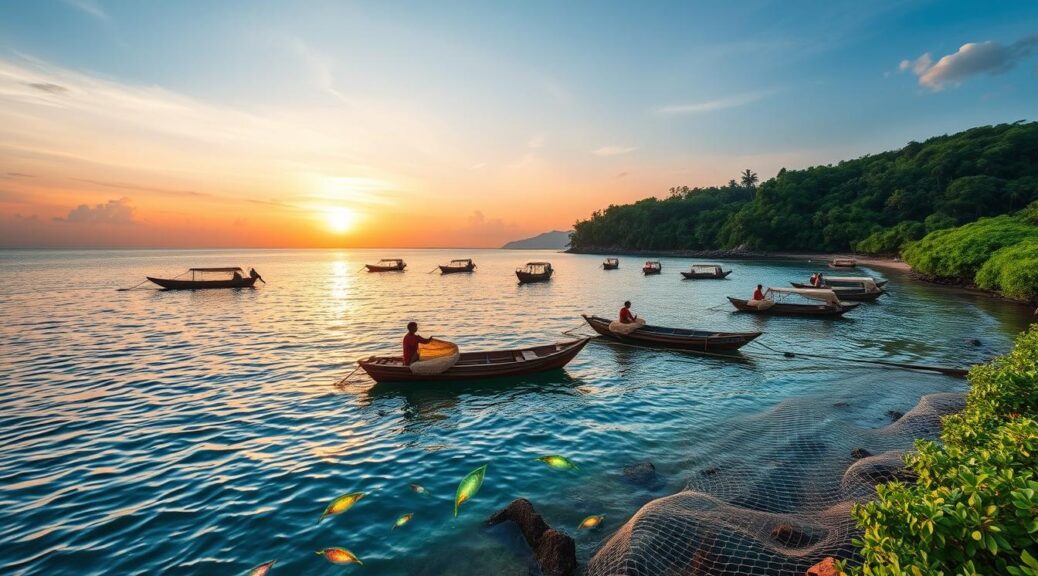
The FAO and Norad are teaming up to strengthen Sri Lanka’s fisheries and aquaculture sector. This international cooperation aims to boost sustainable fishing and support the country’s blue economy. The goal is to ensure food security and promote responsible practices.

Fish is crucial for Sri Lanka’s protein needs. Over half of the nation’s animal protein comes from fish consumption. However, the industry faces many challenges.

Rising fuel prices and production costs are major issues. Fish loss along the value chain also impacts product affordability. These problems particularly affect low-income groups.

The FAO-Norway project will target three main areas. First, they’ll work to stop illegal and unreported fishing. Second, they’ll increase climate change resilience. Third, they’ll reduce food waste in the fisheries chain.

The project will provide technical support to various groups. These include policymakers, management experts, and industry professionals. Fishers, fish farmers, and fish workers will also receive help.

The aim is to boost Sri Lanka’s fisheries sector through responsible resource use. Marine conservation will play a key role in this effort. This will contribute to the country’s overall socio-economic growth.

Sri Lanka’s Fisheries Sector Faces Challenges

Sri Lanka’s fisheries industry supports 2.5 million coastal residents. It’s struggling amid the country’s economic crisis. The sector provides half of Sri Lankans’ animal protein but faces rising fuel prices and costs.

Economic Crisis Impacts Fisheries Industry

Fuel price hikes have hit the fisheries sector hard. Higher costs make it tough for fishers to earn a living. As a result, fish prices have increased, affecting low-income groups.

Rising Fuel Prices and Production Costs Affect Affordability

Fish is a key protein source for Sri Lankans. But soaring costs have made it less affordable for many households. This raises concerns about people’s nutrition, especially in lower-income groups.

Fish Loss and Waste Along the Value Chain

Sri Lanka’s fisheries face fish loss and waste issues. Poor cold storage and transport lead to post-harvest losses. This reduces fish supply in the market.

Addressing these problems is vital for food security. It’s also crucial for maintaining the sector’s long-term sustainability.

FAO and Norway Collaborate to Enhance Resilience in Fisheries Sector

FAO and Norway are teaming up to boost Sri Lanka’s fisheries sector. They’re focusing on responsible use of resources and building capacity. Their project aims to improve fisheries governance, fight illegal fishing, and adapt to climate change.

FAO delivered two climate-resilient fishing boats to the Ministry of Fisheries. These boats, SL20 and SL23, cost about LKR 9 million. The project also introduced 30 modified fish display stalls across Sri Lanka.

Developing Capacities to Combat Illegal, Unreported, and Unregulated Fishing

The project aims to fight illegal, unreported, and unregulated (IUU) fishing. It’s implementing Port State Measures and improving marine resources management. These efforts protect small-scale fishers’ livelihoods and ensure food security in Sri Lanka.

Increasing Resilience to Climate Change

Sri Lanka’s fisheries sector is vulnerable to climate change impacts. The project builds resilience through training and new technologies. Climate-resilient fishing boats are helping the sector adapt to changing conditions.

Reducing Food Loss and Waste in the Fisheries Value Chain

A NARA study found poor maintenance practices among Sri Lankan fish retailers. This leads to significant post-harvest losses. FAO’s new fish display stalls promote better handling and storage practices.

These stalls aim to reduce food loss along the fisheries value chain. The FAO-Norway partnership shows commitment to sustainable fisheries development in Sri Lanka. It addresses IUU fishing, climate change, and post-harvest losses.

This project aims to improve fishing communities’ well-being. It also ensures responsible use of fisheries resources for future generations.

Introducing Technology Upgrades for Sustainability

The FAO is boosting Sri Lanka’s fisheries with new tech upgrades. These aim to tackle issues like post-harvest losses and high fuel use. Advanced cooling, fuel-efficient tech, and AI apps will improve the industry’s sustainability.

Advanced Cooling Systems to Reduce Post-Harvest Losses

New cooling systems on multi-day fishing boats help cut post-harvest losses. These systems keep fish fresh and high-quality. This increases market value and reduces waste.

The upgrade benefits fishermen financially and supports food security. More of the catch now reaches consumers in better condition.

Fuel-Efficient Bulbous Bow Technology to Cut Fuel Consumption

The FAO has added fuel-efficient bulbous bow tech to fishing boats. This design change cuts drag and boosts efficiency. Boats with this tech can save up to 13% on fuel.

Lower fuel use means less cost for fishermen. It also reduces harmful emissions. This tech makes fishing more eco-friendly and cost-effective.

AI-Powered Mobile App for Real-Time Fish Quality Assessment

An AI-powered app now helps assess fish quality in real-time. It quickly checks catch quality against Yellowfin Tuna export standards. The app gives instant feedback on freshness, size, and overall condition.

This tool helps fishers and processors make smart choices. It boosts operations and meets global market needs. The app improves competitiveness and promotes sustainable fishing practices.

Sri Lanka’s New President to Restart Talks with IMF

Sri Lanka’s New President to Restart Talks with IMF

Sri Lanka faces its worst financial trouble since it became independent in 1948. Its new leaders are acting to fix this major issue. They aim to bring the economy back and follow better money rules.

Sri Lanka's New President to Restart Talks with IMF Amid Economic Crisis

Sri Lanka is dealing with tough times, with prices rising by 70%. The talks with the IMF could give Sri Lanka up to $3 billion. This money is crucial for recovering from the pandemic and lost money.

These talks are a new start for Sri Lanka, filled with hope. The plan focuses on selling more abroad and owing less money. This strategy fits with Wickremesinghe’s efforts to boost the country’s exports while money reserves are low.

The country is trying to fix a lot of economic problems. Sri Lanka’s new president is bringing back talks with the IMF. Their plan could make Sri Lanka strong and successful by 2048.

Sri Lanka is entering a new phase focusing on economic growth. They are rethinking a huge part of their $29 billion debt with the IMF’s help. This assistance is key to fixing important parts of the country.

The government knows that help from the IMF is just the beginning. Support from countries like Japan will also be necessary. They owe a lot of money to different places, including China, which makes recovery complex.

For more details on President Wickremesinghe’s role, check out this link. The upcoming IMF talks are very important. They’re a chance for Sri Lanka to rise up from its tough situation.

Anura Kumara Dissanayake Assumes Presidency Amidst Financial Turmoil

Anura Kumara Dissanayake has become the President of Sri Lanka at a critical time. He is facing the Sri Lanka economic crisis. His leadership is key to making decisions that will help the nation stabilize.

Dissanayake won 42% of the vote, improving from 3% in the last election. He promised to change how Sri Lanka works with the IMF. This promise, aimed at easing economic pain, has marked a major change in Sri Lanka government policies.

The Path to Presidency: Election Victory in Economic Hardship

Anura Kumara Dissanayake’s presidency reflects the people’s call for change. He got 1.2 million more votes than the runner-up. His campaign focused on economic reform to help those suffering from high prices and shortages.

Sri Lanka’s Bankruptcy and Suspension of Debt Repayments

In 2022, Sri Lanka went bankrupt, showing how severe the Sri Lanka economic crisis was. Not paying debts on $83 billion stopped the economy. This situation called for urgent help and changes in the economy.

Dissanayake must tackle these huge financial problems. This includes talks on tax and revenue targets with others. His goal is to make austerity measures easier for the poor, following new Sri Lanka government policies.

Political Legacy and Crisis: The Fall of Gotabaya Rajapaksa

The economic crisis led to Gotabaya Rajapaksa’s regime falling. This made way for Dissanayake’s leadership. People wanted a leader who could deal with the economic issues, leading to Dissanayake’s victory.

Knowing Anura Kumara Dissanayake‘s economic strategy is crucial. It includes both short-term policy changes and long-term solutions. Examples are the domestic debt restructuring plan. These plans aim to meet IMF requirements and promote growth.

Sri Lanka news updates are keeping an eye on Dissanayake’s actions. His presidency is seen as a chance to stabilize and grow the economy.

IMF Negotiations: A Balancing Act for Economic Recovery

In tackling the Sri Lanka financial crisis, President Anura Kumara Dissanayake faces a tough challenge. He aims to guide Sri Lanka’s IMF negotiations to success. The nation’s foreign debt exceeds $51 billion, with urgent need for smart talks to meet Sri Lanka’s economic recovery goals.

President Dissanayake’s team plans to boost government income to about 15% of GDP by 2025 from 8.2%. They also want to reduce public sector debt to below 100% of GDP. This is a cut from 110% in 2021. Such steps are crucial to move away from the crisis.

Sri Lanka is dealing with big shortages of fuel, medicine, and cooking gas. The World Bank is helping to fix these. The economy shrank by 7.8% in 2022, making it critical to get a $3 billion bailout from the IMF. India has become a key supporter, offering around $4 billion in help.

The rules of the IMF deal are tough, focusing on strict monetary and fiscal goals. President Dissanayake has little space to argue but knows the third review is key for more support. His aim? To manage inflation better.

Raising the value-added tax to 15% and planning a 25-year economic policy show Dissanayake’s tough decisions. Yet, with schools and universities opening again, there’s a hint of normal life returning. IMF negotiations are hard, pushing Sri Lankan leaders to their limits. They must deal with debts, austerity, and keep hope alive for nearly 26% of people living in poverty. It’s a hard path but fighting for political stability, economic fixes, and global support is essential for recovery.

FAQ

Who is the new president of Sri Lanka set to restart IMF negotiations?

Anura Kumara Dissanayake has taken over as Sri Lanka’s president. He’s ready to talk with the International Monetary Fund (IMF). This is to help solve the country’s financial troubles.

What was the situation in Sri Lanka that led to IMF involvement?

In 2022, Sri Lanka could not pay its debts and stopped its debt repayments. This made it necessary for the IMF to step in. Their help is needed for Sri Lanka to improve its economy.

How did Anura Kumara Dissanayake become the president?

Anura Kumara Dissanayake was elected president after he got a lot of public support. He promised to change the tough IMF bailout terms. He also wanted to fix the nation’s “corrupt political culture.”

What are some challenges that the new president faces with the IMF?

President Anura Kumara Dissanayake has to work out a deal with the IMF. He needs to get easier conditions for Sri Lanka. At the same time, he must stick to the strict rules the IMF has set, like keeping certain fiscal targets.

Will there be changes to Sri Lanka’s governmental structure under the new president?

After winning the election, President Dissanayake ended the parliament’s term early and called for new elections. This move suggests there might be changes in how the government works. He’s focusing on fixing the economic and political issues.

What was the role of the previous president, Ranil Wickremesinghe, in the economic crisis?

The last government, led by Ranil Wickremesinghe, raised taxes and reduced spending. This improved the economy a bit and stopped shortages. But it also made life hard for many people. These actions played a part in the country’s financial woes. This led to a need for new leadership.

Has the International Monetary Fund reacted to the potential renegotiation of the bailout terms?

The IMF is open to working with President Dissanayake’s team. They stressed the importance of reviewing the support program. However, experts think that there’s little room for Dissanayake to make big changes to the IMF’s conditions.

How did Sri Lanka find itself in an economic crisis?

Several things caused Sri Lanka’s financial crisis. High foreign debt, political problems, and the COVID-19 pandemic hurt its tourism. This led to a payments crisis and bankruptcy.

What are some of the key policies from Anura Kumara Dissanayake’s platform?

Anura Kumara Dissanayake wants to soften the IMF’s tough bailout rules. He aims to fight political corruption and ensure a fairer economic recovery. This approach is meant to help everyone in Sri Lanka.

FAO and USAID Partner to Revitalize Sri Lanka’s Agriculture

FAO and USAID Partner to Revitalize Sri Lanka’s Agriculture

The Food and Agriculture Organization (FAO) and USAID are teaming up with Sri Lanka’s Ministry of Agriculture. Their $9.2 million initiative aims to boost paddy productivity and diversify crops on marginal land. This collaboration will promote sustainable agricultural development programs in the country.

This partnership arrives at a critical time for Sri Lankan farming. The nation faces challenges after poor harvests in 2022 led to a 50% drop in production. The effort seeks to revive agriculture and support vulnerable farmers across the island.

FAO, with USAID’s support, has already made significant progress in helping Sri Lankan farmers. They provided over 58,700 metric tonnes of essential fertilizers to all paddy farmers within nine months.

The 2023 Yala paddy season sowing covered about 500,000 hectares. This impressive achievement accounts for 92% of the targeted area.

$9.2 Million Initiative to Enhance Paddy Productivity and Diversify Crops

FAO, USAID, and Sri Lanka’s Ministry of Agriculture have launched a $9.2 million initiative. It aims to boost paddy productivity and promote crop diversification in Sri Lanka. This four-year project will help 10,000 farmers in Hambanthota, Vauniya, Anuradhapura, and Kurunegala districts.

The initiative supports farmers in diversifying 1,250 hectares of paddy lands during the Yala season. It promotes sustainable farming practices and growing suitable cash crops. The project also encourages efficient water and fertilizer use on 5,000 acres of paddy.

Streamlining Supply Chains for Smallholder Farmer Support

A key goal is establishing streamlined supply chains for smallholder farmers. This ensures timely access to affordable supplies and machinery. The project aims to boost productivity and profitability in Sri Lanka’s agriculture sector.

The partnership addresses challenges like low labor productivity and the need for diversification. It promotes sustainable farming practices to increase agricultural output. The initiative also aims to boost export earnings and energize the rural economy.

Building on Previous US Support and Donations to Sri Lankan Farmers

The FAO and USAID partnership aims to revitalize Sri Lanka’s agriculture sector. This builds on the US’s vital support for Sri Lankan farmers during the recent economic crisis. In 2022, the US provided crucial fertilizer donations to help paddy farmers.

The US donated 36,000 metric tons of Triple Super Phosphate to Sri Lanka. They also provided 9,800 metric tons of urea during the economic crisis. These fertilizers went to over 1 million vulnerable paddy farmers for free.

Crucial Support for Vulnerable Paddy Farmers

FAO and the Ministry of Agriculture teamed up to distribute the donated fertilizers. They focused on reaching the most vulnerable paddy farmers in Sri Lanka. This effort helped farmers keep their jobs and ensure food security.

The new $9.2 million partnership strengthens US support for Sri Lankan farmers. It focuses on sustainable farming, crop diversity, and efficient resource use. The project aims to boost smallholder farmers’ resilience and profits.

FAO and USAID Partner to Revitalize Sri Lanka’s Agriculture Sector

The FAO and USAID have teamed up with Sri Lanka’s Ministry of Agriculture. Their $9.2 million project aims to boost the country’s farming sector. This initiative will help 10,000 farmers in four districts: Hambanthota, Vauniya, Anuradhapura, and Kurunegala.

The four-year program will improve paddy productivity and crop variety. Farmers will grow cash crops on 1,250 hectares during the Yala season. The project will also promote efficient use of water and fertilizer on 5,000 acres of paddy.

FAO Representative Vimlendra Sharan highlighted the partnership’s importance. He said it combines resources and expertise to build resilience in agriculture. FAO and USAID will work closely with Sri Lanka’s government to ensure success.

This project builds on previous US support for Sri Lankan farmers. In 2022, the US donated fertilizer to over 1 million paddy farmers. The current initiative aims to strengthen agriculture and improve farmers’ lives.