Sri Lanka Participates in World Trade Expo 2024 in Mumbai

Sri Lanka Participates in World Trade Expo 2024 in Mumbai

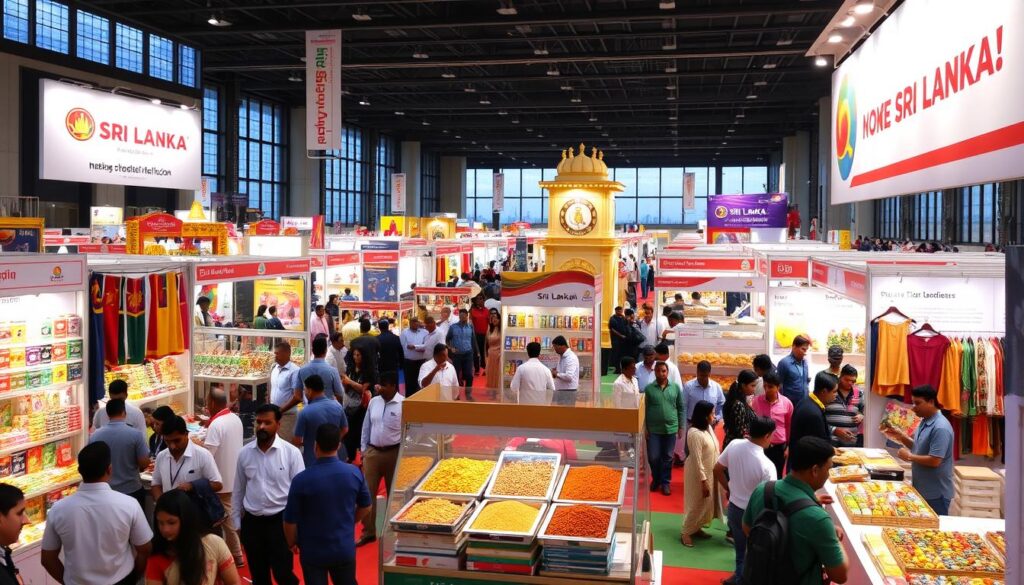
Sri Lanka’s Consulate General in Mumbai is organizing the Sri Lanka Pavilion at the 5th World Trade Expo (WTE 2024). This international trade fair will take place on October 17-18, 2024. It aims to boost business opportunities and economic growth through global networking.
Sri Lanka Participates in World Trade Expo 2024 in Mumbai

WTE 2024 will gather over 30 countries, state governments, and trade bodies. The event will promote bilateral trade, investment, and education. Exhibitors will showcase an export potential of USD 31.8 billion for Indian businesses.

Key sectors include chemicals, pharmaceuticals, motor vehicles, and metal products. Engineering goods, agro, and allied sectors will also be featured. The expo focuses on trade, technology, tourism, and education.

Sri Lanka’s participation will highlight its diverse products and investment opportunities. This aligns with the country’s projected 4.4% economic growth in. The event provides a platform for businesses to explore new partnerships.

Key Takeaways

  • Sri Lanka to participate in the 5th World Trade Expo in Mumbai, India, from October 17-18, 2024
  • Over 30 countries will showcase untapped export potential of USD 31.8 billion for Indian businesses
  • Sectors highlighted include chemicals, pharmaceuticals, motor vehicles, metal products, engineering goods, and agro sectors
  • The event focuses on fostering trade, technology, tourism, and education collaborations
  • Sri Lanka aims to showcase its diverse products and investment opportunities to contribute to its projected 4.4% economic growth in 2024

Sri Lanka Pavilion Showcases Diverse Products and Opportunities

The Sri Lanka Pavilion at the World Trade Expo 2024 in Mumbai showcased the country’s finest products. It highlighted Sri Lanka’s potential for export promotion and investment prospects. The pavilion aimed to strengthen ties between Sri Lanka and India.

Ceylon Spices, Coconut Products, and Dehydrated Fruits on Display

Visitors enjoyed a sensory experience at the Sri Lanka Pavilion. They savored the aroma of Ceylon spices and tasted delicious coconut products. The display also featured vibrant dehydrated fruits.

  • Ceylon cinnamon, pepper, and cardamom
  • Coconut oil, coconut water, and desiccated coconut
  • Dehydrated mango, pineapple, and papaya
  • Ceylon tea

Ceylon spices export promotion

Four Sri Lankan Companies Introduce New Value-Added Products to Indian Market

Four innovative Sri Lankan companies showcased new value-added products for the Indian market. This move strengthened investment prospects and bilateral relations.

Company Product
Cinnamon Exports Ltd. Cinnamon-infused chocolate
Coconut Delights Pvt. Ltd. Coconut milk powder
Cocoa Innovations Cocoa butter lotion
Tropical Fruits Co. Dehydrated fruit and nut mix

These companies show Sri Lanka’s dedication to value addition and product diversification. They create exciting investment opportunities for Indian businesses. Sri Lanka aims to boost its exports and become a key global market player.

World Trade Expo 2024 Highlights Opportunities for Collaboration

Mumbai hosted the fifth World Trade Expo from October 17-18. The event promoted bilateral trade among 37 countries. It aimed to boost India’s trade with developing nations in Africa, Asia, and Latin America.

Over 100 exhibitors showcased trade and investment opportunities. The Expo focused on green energy and innovation. This aligns with India’s goal of net-zero carbon emissions by 2070.

Maharashtra plans to increase its solar power capacity significantly. By 2025, it aims to reach 12,930 MW from the current 5,080 MW.

World Trade Expo Focuses on Trade, Technology, Tourism, and Education

The Expo offered a platform for various sectors. These included trade, technology, tourism, and education. Participants explored untapped export potential worth USD 117 billion.

They engaged with 30 countries and regions at the event. This interaction opened doors for new business opportunities.

Region India’s Total Merchandise Trade India’s Exports India’s Imports
Participating Regions 28% 35% 24%

Over 30 Countries and Trade Bodies Facilitate Bilateral Engagement

Representatives from over 30 countries attended the Expo. Various trade bodies also participated. This gathering fostered cross-border collaborations and bilateral engagements.

India’s existing trade agreements provided a strong foundation. These agreements involve countries like Malaysia, Sri Lanka, and South Korea. ASEAN nations such as Indonesia, Vietnam, and Thailand were also included.

Platform for MSMEs, Women Entrepreneurs, and Startups to Explore Collaborations

The Expo offered opportunities for various business groups. MSMEs, women entrepreneurs, and startups explored potential partnerships. They connected with global counterparts and learned about technology transfers.

Emerging African economies presented promising business prospects. These included Ghana, Ethiopia, Kenya, Uganda, and South Africa. They offered opportunities in manufacturing, agriculture, and services.

The Expo aimed to foster cooperation in various fields. These included food security, energy, sustainable development, and space science. Digital economy, education, and skill development were also key focus areas.

Conclusion

The World Trade Expo 2024 in Mumbai ended successfully, fostering future collaboration between Sri Lanka and India. It provided a platform for networking and exploring new business opportunities. Participants established valuable connections across various sectors.

Sri Lankan companies displayed diverse products and services, catching Indian businesses’ attention. The expo revealed potential for bilateral trade and investment. Opportunities spanned industries like spices, coconut products, and dehydrated fruits.

Sri Lanka’s recovery from COVID-19 is aided by initiatives like the visa-free entry program. Enhanced air connectivity with countries like Pakistan will boost tourism and economic growth. The expo acted as a catalyst for partnerships and economic progress.

Sri Lankan businesses are now ready to use their new connections and opportunities. The event created a strong base for future collaborations. Economic ties between the two nations are set to grow significantly.

Ranil Wickremesinghe Sworn in as Sri Lanka’s New President

Ranil Wickremesinghe Sworn in as Sri Lanka’s New President

In a highly secured parliamentary complex, Ranil Wickremesinghe was inaugurated at 73. He became the New President of Sri Lanka. This event marks the start of a new chapter in the country’s politics. Despite his connection to the controversial Rajapaksa regime, which many blame for financial woes, Wickremesinghe takes the reins. His leadership comes as protests calm, thanks to a strong parliament vote of 134 to 82.

He promises peace and order as Sri Lanka‘s eighth executive president. Wickremesinghe vows to bring change and stability during ongoing political crisis.

Ranil Wickremesinghe will serve as president until November 2024, showcasing a pivotal moment. Sri Lanka faces severe economic challenges, including inflation and shortages. The new leader’s priority is to kickstart the economy and restart talks with the International Monetary Fund. They hope to secure a $3 billion bailout.

The nation’s path forward relies on Wickremesinghe’s policies and reforms, states former Speaker Karu Jayasuriya. He underscores the need for a multi-party interim government to address these challenges swiftly.

As Wickremesinghe prepares for his role, he faces a nation of diverse communities. He targets education reforms as critical to recovery and growth. The entire country watches closely, hoping for effective governance.

Key Takeaways

  • Ranil Wickremesinghe was inaugurated as the New President of Sri Lanka within the parliament complex.
  • He won the presidency with 134 votes, serving until November 2024 as the nation’s eighth executive president.
  • Sri Lanka’s economic crisis has incited widespread protests and a public demand for governmental change.
  • Wickremesinghe, with a 45-year-long parliamentary career, has the urgent task of steering the country towards economic recovery.
  • Implementing educational reforms sustains as a focus in preparing for a resilient future workforce in Sri Lanka.
  • Former Speaker Karu Jayasuriya has called for reforms and suggests a multi-party interim government for economic stability.

A Tumultuous Path to Presidency

In recent years, Sri Lanka faced a huge Economic Crisis. This crisis led to a big Political Change. High inflation and the lack of basics caused major Protests. This made people ask for new Leadership.

The Economic Crisis Leading to Political Change

This tough situation made citizens very upset. They protested against the government’s failure to fix the economy. These conditions prepared the ground for big political shifts. It brought new leaders into the Sri Lanka President race.

Protests and the Departure of Gotabaya Rajapaksa

Many complaints led to big protests. The protests wanted changes and responsibility. They played a key role in Gotabaya Rajapaksa‘s exit. He left the presidency amid scandals and poor economic decisions. This forced him to resign and leave Sri Lanka.

Ranil Wickremesinghe’s Controversial Path to Leadership

Ranil Wickremesinghe’s rise to power was full of disagreements. Going from Prime Minister to the Controversial Acting President role, then President, was tough. This period included a state of emergency and the military stopping protests at government places. His journey promised a chance to improve the economy during chaos.

During this time, elections brought big changes and reform promises. For more details, check out OMP Sri Lanka. They have an article about President Anura Kumara Dissanayake’s decisive moves.

The future is still unclear, but there’s hope for better leadership in Sri Lanka. People want leaders who put the country first, not their own needs.

Public Reception and Political Backdrop

Ranil Wickremesinghe became Sri Lanka’s president during a tough time. The country, home to 22 million, is facing a big crisis. People have mixed feelings about him. Some hope he will improve things, while others doubt it. Wickremesinghe has been prime minister six times. He’s now leading the nation through severe economic problems.

Many people didn’t like the choice of Wickremesinghe as president. They wanted big changes, not someone close to the old government. There have been big protests in Colombo since April 9. But Wickremesinghe is trying to fix the economy. He is talking to the IMF and World Bank. This is like when he got $4.5bn in help in the early 2000s.

Wickremesinghe’s state of emergency move shows how serious the situation is. Sri Lanka badly needs good leadership now. Wickremesinghe is skilled in dealing with other countries. This will help him as he talks to the IMF and countries like China and India. But everyone will watch him closely. They want to see if he can bring the country together and solve the debt problems.

Religious Minorities Face Shrinking Space in Sri Lanka

Religious Minorities Face Shrinking Space in Sri Lanka

Sri Lanka is facing a tough time with its religious minorities. The country is known for its varied religious community. Yet, the freedom for these minorities is getting narrower. This is due to rising incidents of religious discrimination in Sri Lanka. Social exclusion and official actions add to this problem, showing the tension in this South Asian island.

Human rights groups have pointed out issues like the controversial Prevention of Terrorism Act (PTA). This act is often used against minority groups. Land disputes in areas affected by past wars increase Sri Lankan religious tensions. The building of Buddhist temples on lands important to Hindu and Muslim minorities causes more strain. Christians in rural areas also face difficulties. This all shows the shrinking space for religious minorities in Sri Lanka.

There is a need for unity, as seen in the recent Vesak celebrations. However, hardships like Judge T. Saravanaraja’s resignation due to threats highlight the tough road for religious coexistence in Sri Lanka. Government actions favoring Buddhist sites over minority worship places show the ongoing struggle.

Shrinking Space for Religious Minorities in Sri Lanka

Key Takeaways

  • Escalating acts of religious discrimination in Sri Lanka adversely affect minority faiths.
  • Legislation like the Prevention of Terrorism Act is often applied in a manner that impacts the minority rights and freedoms.
  • Land disputes and the erection of Buddhist structures on minority lands fuel Sri Lankan religious tensions.
  • The significant presence of Hindus, Muslims, and Christians in the north and east counters the Buddhist-majority narrative.
  • President Wickremesinghe’s declarations and the militarization of cultural sites highlight the shrinking space for religious minorities in Sri Lanka.
  • Judicial resignations and forced registration of new religious centers indicate a challenging environment for free religious expression.

Historical Context and Current Challenges for Minority Faiths

Sri Lanka’s mix of cultures and faiths is deeply historical but challenging for minority religions. Its religious diversity is key to the nation’s identity. Yet, it leads to friction, especially between the Sinhalese Buddhist majority and minorities like Hindus, Muslims, and Christians. These tensions often turn into discrimination and clashes over temple lands.

Understanding Sri Lanka’s Ethnic and Religious Composition

About 70% of Sri Lankans are Buddhists. The rest are Hindus, Muslims, and Christians. This blend of cultures and religions, while rich, sometimes leads to tension and conflict. The civil war and its aftermath saw many such periods, including attacks on religious minorities and disappearances of Tamils.

Growing Concerns Over Discriminatory Legislation and Practices

Recently, Sri Lanka has seen more laws that unfairly target religious minorities. These laws have restricted burial rights during the COVID-19 pandemic for Muslims and Christians. They also include a ban on face-covering veils. The Prevention of Terrorism Act (PTA) has been used to target these minorities, affecting their freedom and creating a culture of fear.

USCIRF and International Observers Raise Alarm

The USCIRF report and other international reviews have highlighted increasing religious persecution in Sri Lanka. They stress the need to protect minority faiths from national policies that sideline them. There’s a global call for Sri Lanka to ensure its diverse faiths can coexist peacefully and equally.

Year Event Impact on Religious Minorities
2019 Easter Bombings & Subsequent Emergency Laws Arrests of approximately 1,800 Muslims, highlighting exacerbated ethnic tensions and surveillance.
2020 COVID-19 Burial Regulations Ban on burials affecting Muslim and Christian funerary practices.
2021 Veil Ban & Amendments in Anti-Terrorism Legislation Increased targeting of Muslim populations and potential misuse of PTA to quash dissent.
2021 Outlawing of Organizations on Extremism Grounds Political marginalization of groups under the pretext of clamping down on extremism.

Shrinking Space for Religious Minorities in Sri Lanka

Recent events have shown a big decrease in civic space in Sri Lanka. This has really affected minority religious groups under pressure. People are talking more and more about how hard it is for these groups to practice their religions freely.

A clear example is the use of the Prevention of Terrorism Act (PTA). It’s unfairly used against Muslims, often on weak evidence. The government also wants to ban burqas and shut down Islamic schools. This shows a clear attack on religious freedom in Sri Lanka. A 2023 U.S. Department of State report talks about how bad things have gotten for religious minorities. It says we need to keep a close eye and help out.

There’s also more hate from nationalist groups towards Muslims. They see Muslims as a threat. Even though attacks on Christians went down from 80 in 2022 to 43 in 2023, the problem hasn’t gone away. Police not doing their job adds to the problem.

The country backing out of a U.N. agreement and some dictatorship-like moves have made people worry more about human rights suffering. This has got international groups asking for action. The USCIRF wants Sri Lanka watched more closely. They’re calling for the world to pay more attention and work together to solve these issues.

Keeping religious freedom alive needs strong interfaith talks in Sri Lanka. The CSW says to listen to U.N. suggestions and put pressure for legal changes. They even suggest using the U.S. Global Magnitsky Act against those hurting human rights. This shows how serious this is, reaching beyond just Sri Lanka.

Efforts in other areas, like sustainable fisheries, contrast sharply with the struggles of minority religious groups. It reminds us that tackling challenges in Sri Lanka needs many approaches. We mustn’t forget to protect those at risk and work towards an open and fair society for all.

Strategies and Recommendations for Protecting Religious Freedom

In Sri Lanka, religious minorities face big challenges. It’s crucial to work on strategies that protect their freedom to believe. Laws are key, and there’s a real need to change them to make sure everyone has religious freedom. Especially, the Prevention of Terrorism Act (PTA) needs a close look. It’s been used unfairly against Tamil and Muslim folks, catching a lot of Tamil youth unfairly from 2018 to 2021.

Improving how different faiths get along is super important for a respectful society. The scores showing how active people are in their communities are pretty low. Plus, the government isn’t supporting UN Human Rights like before. We really need to get people caring more about celebrating all religions. This could help stop the bad stuff like spying and unfair treatment High Commissioner Michelle Bachelet talked about. We should also help people see themselves as Sri Lankans first, which could make religious labels less of a big deal.

It’s also smart to use international tools and rules, like the Global Magnitsky Act, to push for better treatment of people. Talking directly to other countries helps put pressure on those who aren’t treating people right. This kind of support, like what defenders like Ambika Satkunanathan got, is huge. Sri Lanka’s seen as partly free and sort of okay at respecting religious practices right now. But with some smart changes, especially in how social media is used, things could get a lot better. Working with groups like OMP Sri Lanka to share real, fair news is key to making sure everyone knows what’s happening. This is all part of the bigger fight for justice and treating everyone right, no matter what they believe.

Sri Lanka Inflation Hits 70% in Economic Crisis

Sri Lanka Inflation Hits 70% in Economic Crisis

In September 2022, Sri Lanka’s Inflation surged to a shocking 70%. This reflects the severe Inflation Crisis Sri Lanka is facing. The country has been through tough economic times since it gained independence.

Sri Lanka is now seeking the International Monetary Fund (IMF)’s aid. Talks about a bailout are underway. This isn’t new. Since 1965, Sri Lanka has sought IMF’s help sixteen times. A strict set of reforms may follow this rescue, typical of IMF agreements. Find out more about Sri Lanka’s economic situation and IMF involvement here.

The country also relies on other financial support, including loans from the Asian Development Bank and World Bank. These add up to US$12.13 billion. Despite this, Sri Lanka has looked towards Foreign Direct Investment (FDI) and remittances from overseas. However, COVID-19 has greatly reduced these remittances, worsening the financial strain.

The Sri Lanka Economic Turmoil requires immediate, smart steps towards recovery. Thankfully, there’s a silver lining. Recent trends show a decrease in inflation. This hints at a possible stabilization. Learn more about the government’s actions against the inflation crisis.

Sri Lanka's Inflation Peaks at 70% Amidst Economic Turmoil

Understanding Sri Lanka’s Inflation Crisis

Sri Lanka is facing tough economic times, and the rise in inflation is a big concern. This hike is vividly shown by the jump in the National Consumer Price Index (NCPI). This index measures how much prices have gone up.

Breaking Down the National Consumer Price Index Surge

Last May, prices went up by 45.3% compared to the year before, as shown by the NCPI. This major increase comes from higher prices for many consumer goods. It makes the cost of living in Sri Lanka more expensive, leading to tough economic challenges.

Food Inflation and Energy Costs’ Impact on Inflation Rates

Food inflation alone rose to 58% from the previous year. This happened as energy prices shot up. Higher energy costs also mean more expensive transportation and production. All these elements together push the inflation rate higher in Sri Lanka.

Rising Prices Sri Lanka

To fix the economy, Sri Lanka is trying various reforms. The Central Bank has tweaked its policies to meet these challenges. The country is also looking for help through global partnerships. This includes a key deal with the International Monetary Fund (IMF). The aim is to control inflation and get financial help during these hard times.

New measures are being set up to deal with inflation’s impacts. One priority is to change cash transfer programs. These changes are meant to help those hit hardest by the rising costs.

Year Annual Inflation Rate Main Contributing Factors
2022 70% Post-pandemic economic disruption, high energy costs
Mid-2023 12% Regulatory measures, international aid

As Sri Lanka works towards economic recovery, monitoring inflation is crucial. The government and analysts are focused on reducing the negative impacts. Their goal is to create a stable economic future for the country.

Sri Lanka’s Economic Turmoil and the Role of International Aid

Sri Lanka faces tough times with a huge 70% inflation rate. This situation causes much economic uncertainty. Fortunately, the country is seeking help from international partners. This assistance is crucial for them now, just like it was for other countries in the past.

Learning from nations like Germany and Zimbabwe, unchecked inflation can hurt economies badly. It lowers living standards and shakes confidence in the market. So, international help is very important for Sri Lanka. It will help stop economic decline and bring back stability.

The IMF’s extended fund facility gave crucial support during this economic crisis. This deal, worth $2.9 billion, marks Sri Lanka’s 17th time getting help from the IMF. It aims to fix the country’s debt issues and improve economic health.

Reforming monetary policy is a key part of the plan. It will handle inflation and help keep the economy stable. This approach is vital for Sri Lanka’s future growth and economic stability.

International aid for Sri Lanka isn’t just from the IMF. The World Bank and the Asian Development Bank also plan to help. They intend to provide around $4 billion more. This global support is a ray of hope for the country.

These funds aim to stop the inflation and support recovery. They back up programs improving education and helping children. These efforts are already making a difference during these hard times. With high inflation, such reforms are necessary.

Projects like the Climate Resilience initiative are also key. They focus on improving agriculture and building stronger infrastructures. These steps are essential for Sri Lanka’s economic recovery and growth.

Sri Lankan Tech Startups Get $50M Global Investment Boost

Sri Lankan Tech Startups Get $50M Global Investment Boost

Amid tough economic times, Sri Lanka’s tech sector is turning a new leaf. A massive $50 million boost in investments is being poured into local startups. This signals a big leap forward in the country’s tech scene.

Sri Lankan entrepreneurs are getting the boost they need thanks to SLPAJ STARTUP KAKEHASHI 2023. At this significant event, local startups have the chance to attract global investors. This year, the tech scene in Sri Lanka is set to lead in innovation and economic growth.

Tech Startups in Sri Lanka Receive $50 Million Boost from Global Investors

The tech startup arena in Sri Lanka is set to soar with this new investment. It marks an exciting chapter for creating a solid and dynamic tech ecosystem. These are key moments for Sri Lanka as it integrates resilience and creativity into its growth plans.

Global investors are playing a vital role in the tech industry’s future in Sri Lanka. They’re essential in shaping the digital sector and pushing local and international markets forward.

Tech Startups in Sri Lanka Receive $50 Million Boost from Global Investors

Sri Lanka’s tech startups just got a $50 million boost. This investment aims to enhance the abilities of local tech firms. It focuses on giving Sri Lanka startup funding and putting the country on the global tech map. This round of investment is especially interested in businesses led by or helping women, meeting global fairness goals.

A key figure in this move is the partnership between the International Finance Corporation (IFC) and Commercial Bank of Ceylon (ComBank). IFC has given ComBank a loan of $50 million. This is to help small and medium-sized businesses, which are crucial to Sri Lanka’s economy, making up 80% of all businesses. This partnership plans to boost venture capital in Sri Lanka a lot, setting aside a third of the funds for women-run businesses. This supports gender equality in business.

The investment in the Sri Lanka startup ecosystem promises great long-term gains. It could lead to more innovation and a stronger presence in global markets. This boost could transform not just companies but the whole economy. It’s expected to speed up digital progress and business creativity, making Sri Lanka a key place for tech innovation.

With the world focusing on digital change, improving Sri Lanka’s startup scene is very timely. Such moves are key to building an economy that can face future challenges, like those from worldwide health crises. You can also see progress in areas like agritech and eco-friendly strategies, showing a broad effort to ensure lasting growth.

The investment will help many SMEs stay afloat and strengthen the banking sector. It aids the market’s recovery while setting the stage for future growth. This double-goal strategy shows careful planning to keep the venture capital landscape in Sri Lanka growing.

The Impact of Global Investor Confidence on Sri Lanka’s Tech Pioneers

Global investments, like the recent $50 million for tech startups in Sri Lanka, show the world’s belief in the country’s economy and technology. This support is key for Sri Lanka’s economic growth and the tech startup scene. It builds a strong foundation for startups in Sri Lanka.

How International Funding Fuels Innovation and Entrepreneurship

The influx of global funds boosts tech advancements and sparks innovation and entrepreneurship in Sri Lanka. Backed by international investors, startups get crucial funds to grow, enter new markets, and make new products. This drives the ongoing growth of tech startups in Sri Lanka.

Startups Shaping the Future: Success Stories from the Sri Lankan Tech Scene

Many startups have become leaders locally and globally, using these funds. Their stories show how funds help create a competitive and inventive tech area. This significantly benefits the Sri Lanka startup ecosystem.

Exploring the Economic Ripple Effects of the Investment on Local Industries

The $50 million investment does more than help the tech sector. It creates jobs, boosts competition, and helps other industries and services. These factors lift the economy, highlighting tech startups’ role in Sri Lanka’s economy.

Sectors beyond tech, like hospitality and manufacturing, will offer over 400,000 jobs soon. This shows the widespread economic boost from tech investments. Plus, focusing on high-tech education, like at Gampaha Technical College with South Korean support, readies Sri Lankans for tech jobs, aiding in economic development.

Industry Percentage of Job Vacancies Projected New Jobs
Apparel 58% 400,000 (across various sectors)
Food 20%
Manufacturing (Other) 33%

Unpacking Sri Lanka’s Tech Startup Ecosystem: A Deep Dive into Growth and Opportunities

The Sri Lanka startup ecosystem is bursting with opportunities for those in tech. Thanks to a supportive government, getting a business started is easier. The Startup Visa Programme helps both local and foreign entrepreneurs.

This program is part of the plan to boost venture capital in Sri Lanka. It aims to make the country a top place for investors. Those investors are eager to explore new markets filled with promise.

Sri Lanka has a strong tech infrastructure, which is crucial for Sri Lanka tech startups. This setup, combined with a skilled and resilient workforce, attracts venture capitalists. The high quality of life makes the nation even more appealing for business and innovation.

Despite economic hurdles, including a big drop in GDP in 2022, the tech sector remains a bright spot. The rising tourism industry also boosts the tech scene. This sector provides additional chances for tech companies to grow.

As the tech ecosystem grows, success stories are likely to increase. These wins will be powered by creative founders and smart investments. Sri Lanka’s economic story is being rewritten, thanks to these tech advancements.