Sri Lanka Now UK’s Second Largest Partner in TNE

Sri Lanka Now UK’s Second Largest Partner in TNE

Sri Lanka Now UK's Second Largest Partner in Transnational Education

In a big step forward, Sri Lanka has passed Malaysia to be the UK’s second-biggest partner in Transnational Education (TNE). Now, it makes up 10% of the UK’s TNE enrollments. This shows a strong education bond between both countries. It also highlights the need for top-notch tertiary education that meets global standards.

Numbers show the growth: From 2020 to 2023, Sri Lankan students in UK TNE programs surged by 50%, reaching nearly 54,000. This growth happened with little help from the UK government. It shows the real value and demand for these educational chances in Sri Lanka. For many students who can’t get into local public universities, TNE is a vital option.

The rise in enrollments is boosting the quality of Sri Lanka’s higher education. TNE ties are crucial for giving students skills and qualifications that match industry needs. Graduates are ready for jobs, not just in Sri Lanka but abroad as well, especially in booming markets like India. This is what the British High Commissioner suggests. As TNE shapes Sri Lanka’s education scene, it plays a bigger role in global education. It also helps prepare the workforce for important sectors.

The Rise of Sri Lanka in Transnational Education

Recent numbers show how Sri Lanka is becoming a big name in transnational education (TNE). It’s creating strong ties with UK universities. In fact, student enrollment in these programs has gone up by 50%. This makes Sri Lanka the UK’s second biggest partner in this area.

The growth isn’t just about numbers. It’s also about the quality and range of programs. These programs come from academic partnerships across borders.

Sri Lanka has climbed in the TNE rankings, now ahead of Malaysia. This is a key milestone in its global partnership efforts. The country has strong agreements and projects. These support higher education and studying abroad. They do this through partnerships with UK institutions.

Sri Lanka Surpasses Malaysia in TNE Partnership Rankings

More students in Sri Lanka are enrolling in UK-based TNE programs. From 2020 to 2023, enrollments jumped from 35,943 to 53,915. This jump doesn’t just show growth in TNE. It shows a wider academic exchange between Sri Lanka and the UK.

Statistics Indicating Sri Lanka’s Organic TNE Growth

The numbers prove Sri Lanka’s growing pull towards UK universities. There are 44 UK institutions with TNE deals in Sri Lanka now. The local drive behind these educational ventures is impressive. It reflects the Sri Lankan market’s value, estimated at $1.1 billion.

Local institutions are addressing the overflow from state universities. In 2022, 171,532 qualified but only 44,000 spots were available. They’re also meeting the demand for quality international education.

These facts show how committed Sri Lanka is to improving education through TNE. It aims to be a top international education hub. Ongoing discussions at educational forums support this goal. This marks an exciting time in Sri Lanka’s education story.

Impact on Local Higher Education and Workforce

Sri Lanka is changing its education scene by working with Transnational Education (TNE). They are using UK standards and innovative teaching methods to fill curriculum gaps and boost education quality.

Filling the Higher Education Gap for Sri Lankan Students

TNE is key in teaching skills development by giving access to tertiary education. It’s great for students who couldn’t reach traditional higher education before. It also meets the needs of the local job market. A new TNE academy could improve this education route and aim for lasting growth.

Contributing to the Skilled Professional Pool

TNE helps add to Sri Lanka’s skilled professionals by improving job chances and global work opportunities. Fields like healthcare, engineering, and law now have professionals trained in the UK. They’re ready to help with the country’s economic and social growth.

Improving education quality and skills development through TNE helps bridge the gap between school and work. It brings new teaching methods to local schools, making them more relevant to today’s youth.

TNE’s benefits and models, like distance learning, are tailored for Sri Lanka. This makes them more effective. Sri Lanka is now creating a new and better way of higher education. It’s inclusive, high-quality, and meets both local and global job market needs.

As it reforms its education, Sri Lanka shows its commitment to better education and global standing. Its work with UK partners will change its education for the better. A strong economy and educational progress are linked, highlighting the need for ongoing investment in tertiary education.

Future Prospects and Strategic Focus

Sri Lanka is focusing on International Education due to exciting educational reforms and its important location. The country is experiencing a rapid increase in UK Transnational Education (TNE) participation. In 2022, enrollments jumped by 50%, reaching nearly 54,000.

This positions Sri Lanka as an emerging hub for quality education and Career Opportunities in Asia. High Commissioner Andrew Patrick advises Sri Lankan graduates to look towards India. It’s a region with fast-growing job opportunities.

Now, Sri Lanka is the second-biggest participant in UK TNE, making up 10% of all UK TNE enrollments worldwide. Building strategic partnerships is essential to leverage this growth. Public-private partnerships and innovative education platforms are being discussed. These efforts aim to enhance Sri Lanka’s educational landscape.

Plans to expand UK TNE beyond Colombo are important. They will help make education more accessible across the country. This way, students from different areas can benefit.

TNE programs and all higher education in Sri Lanka might get a unified quality assurance system. The private education sector, worth $1.1 billion, could see expansion. A public TNE activities repository is also recommended. These steps will improve transparency and decision-making in education.

Such reforms promise to transform higher education in Sri Lanka. In 2022, out of 171,532 qualified students, only 44,000 enrolled in state universities. With Sri Lanka’s strategic focus, the nation is setting itself as a key player in Asia’s International Education.

FAQ

What milestone has Sri Lanka recently achieved in relation to transnational education?

Sri Lanka is now the UK’s second-largest partner in transnational education (TNE). It accounts for 10% of the UK’s total TNE enrollments.

How significant is the growth of TNE enrollment in Sri Lanka?

The number of students choosing TNE in Sri Lanka has jumped by 50% in just two years. This leap, from 35,943 to 53,915 between 2020-2021 and 2022-2023, is a big deal.

What role does TNE play in Sri Lanka’s higher education system?

TNE is key in improving Sri Lanka’s higher education. It makes education more accessible, fixes skill mismatches, and boosts educational quality.

Why is TNE considered a pivotal educational path in Sri Lanka?

TNE is crucial because it offers an opportunity for many. With only a quarter of students getting into public universities, TNE connects them to UK institutions. This gives them recognized qualifications and helps fill the education gap.

What impact does Sri Lanka’s partnership with UK institutions through TNE have on the local workforce?

This partnership is boosting Sri Lanka’s skilled workforce big time. It helps cover curriculum gaps and uses new teaching methods. These strategies get students ready for their careers.

How does the University of London exemplify the impact of TNE in Sri Lanka?

The University of London shows the power of TNE. It’s training future leaders. For example, many judges in Pakistan, Sri Lanka, and Malaysia have degrees from there.

What advice does the British High Commissioner to Sri Lanka, Andrew Patrick, give to Sri Lankan graduates?

Andrew Patrick encourages graduates to look at career opportunities in Asia, especially India. He points to the region’s growing economic importance.

What are the future prospects for TNE in Sri Lanka?

TNE in Sri Lanka is expected to keep growing. This growth will support the country’s education sector. It lays a strong base for continuous development in education and careers.


Galle Literary Festival Returns to Sri Lanka After 5 Years

Galle Literary Festival Returns to Sri Lanka After 5 Years

The Galle Literary Festival is making a comeback in 2025 after a five-year break. This celebrated event brings together renowned authors, poets, and thinkers from across the globe. The historic coastal city of Galle will once again host this vibrant celebration of literature and arts.

The 12th edition will run from February 6-9, 2025. Literary enthusiasts from near and far have been eagerly waiting for its return since 2024.

The 2024 festival drew over 5,000 visitors, with more international attendees than before. It featured 99 participants, including 25 local authors and 27 international guests.

The event offered a rich experience with more than 180 activities. These included talks, panel discussions, workshops, film screenings, and children’s programs.

Key Takeaways:

  • The Galle Literary Festival, a prominent cultural event in Sri Lanka, returns in 2025 after a five-year hiatus.
  • The 12th edition of the festival will take place from February 6-9, 2025, in the historic coastal city of Galle.
  • The 2024 festival welcomed over 5,000 visitors, with a significant increase in international attendees.
  • The festival featured 99 participants, including local and international authors, poets, and intellectuals.
  • More than 180 events were scheduled during the festival, offering a diverse and engaging experience for attendees.

Galle Literary Festival Announces Dates for 2025

The Galle Literary Festival is set to return in 2025. This major South Asian literature event will be held from February 6-9, 2025. The historic city of Galle, Sri Lanka, will host the 12th edition of this prestigious book festival.

12th Edition Set for February 6-9, 2025

The Galle Literary Festival prepares for its 12th edition. Harper’s Bazaar Magazine UK named it the “No.1 Literary Festival in the world” in 2011. The festival dates align with Sri Lanka’s Independence Day on February 4th.

This timing allows attendees to enjoy both the literary event and cultural celebrations. Visitors can explore Sri Lanka’s rich heritage alongside the book festival.

Festival Expects Significant Increase in Attendees

The 2025 edition aims to attract more literature fans from around the world. Organizers expect a surge in visitors after the festival’s successful 2024 return. They’re focusing on drawing attendees from India, the Middle East, and Europe.

The festival showcases the best of South Asian literature. It also provides a platform for writers’ retreats, adding to its appeal.

Year International Writers Sri Lankan Writers Total Events
2024 40 50 70+
2025 (Projected) 60 75 100+

Curating a Vibrant and Thought-Provoking Program

The Galle Literary Festival 2025 promises an exciting lineup of events. Organizers are planning panel discussions, workshops, and creative experiences. These events will explore current global issues through literature.

The festival focuses on South Asian literature and meaningful conversations. It aims to bring together writers, readers, and thinkers. Attendees can engage in intellectual discussions and cultural exchanges.

Sri Lanka’s Galle Literary Festival Returns After Five-Year Hiatus

The Galle Lit Fest made a triumphant comeback in 2024 after five years. This 11th edition attracted over 5,000 book enthusiasts from January 25th to 28th. Attendees dove into the vibrant world of literature once again.

The 2024 festival featured 99 key figures, including 25 local and 12 diaspora authors. It also hosted 27 international participants, 9 chefs, and 24 moderators. With 180 events, the festival covered topics from Sri Lankan literature to global history.

The lineup included discussions on engaging the next generation with nature. The diverse programming offered something for everyone, making it a must-attend event.

Positive Feedback from 2024 Edition

Attendees and authors praised the Galle Lit Fest for its diverse programming. The festival issued 5,392 tickets, with nearly half of all events sold out. This showed strong enthusiasm and support for the beloved literary event.

Attendee Feedback Author Feedback
“An incredible celebration of literature and culture” “Probably the best literary festival in the world” – Sebastian Faulks
“A truly enriching experience” “The best festival I’ve ever been to, not just for literature but the arts as a whole” – Vidura BR
“Can’t wait for the next edition!” “One of the most stimulating, fun and beautiful festivals I have ever attended” – Moni Mohsin

Headlining Authors Praise the Festival

Headlining authors gave glowing reviews of the Galle Literary Festival. Mary Beard, Sebastian Faulks, Christina Lamb, and Anthony Horowitz attended the event. Alexander McCall Smith also joined, sharing insights with eager audiences.

The Festival Director highlighted the event’s role in promoting Galle and Sri Lanka. It has become a hub for creative travelers and literary enthusiasts. The festival also aims to foster a reading culture in the region.

The Galle Lit Fest continues to grow and evolve. It showcases the enduring power of Sri Lankan literature and its global appeal.

Conclusion

The Galle Literary Festival’s 2025 edition promises to be exciting. Founder Geoffrey Dobbs reaffirms its commitment to learning and cultural exchange through literature and arts. The festival seeks partnerships to make Galle a hub for education and development.

This event goes beyond literature. It creates a platform for discussions on current issues and human rights in Sri Lanka. The festival invites international writers to highlight challenges faced by cultural workers and activists.

The festival aims to foster dialogue among moderates from all communities. It focuses on social and political matters to promote understanding. With increased international participation, the event solidifies its position in South Asia.

The Galle Literary Festival continues to grow and evolve. It remains true to its core values of education and cultural exchange. Through literature, it promotes progress in Sri Lanka and beyond.

Sri Lanka Government Launches Domestic Debt Restructuring Plan

Sri Lanka Government Launches Domestic Debt Restructuring Plan

Sri Lanka has unveiled a domestic debt restructuring plan to tackle its economic crisis. The strategy aims to meet IMF bailout conditions and restore stability. The goal is to reduce overall debt to 95% of GDP by 2032.

Government Launches Domestic Debt Restructuring Plan

Sri Lanka is implementing major economic reforms as part of the IMF program. The plan includes a 30% haircut for local dollar-denominated bonds. These bonds will have a six-year maturity at 4% interest.

Bilateral dollar creditors have a different option. They can choose no principal haircut with a 15-year maturity. This option includes a nine-year grace period at 1.5% interest.

The restructuring also covers local currency bonds held by superannuation funds. These will be swapped for longer maturity bonds with 9% interest. CBSL-held Treasury bills will become bonds maturing between 2029-2038.

Sri Lanka’s economy faces severe challenges. The country’s GDP shrank by 7.8% in 2022 and 11.5% in Q1 2023. Real wages fell by 30-50% in 2022. Nearly 43% of children under five suffer from malnutrition.

The government aims to finalize debt restructuring talks by September. This aligns with the first review of its IMF program. The goal is to address pressing issues and pave the way for economic recovery.

Overview of Sri Lanka’s Domestic Debt Restructuring Plan

Sri Lanka’s Central Bank has unveiled a new debt restructuring strategy. This plan aims to restore economic stability and meet IMF bailout conditions. It’s a vital step towards debt sustainability and improved fiscal policy.

Sri Lanka debt restructuring plan

The plan covers part of Sri Lanka’s $42bn domestic debt. It’s crucial for reaching the IMF’s target of reducing overall debt to 95% of GDP by 2032. Local currency bonds will be exchanged for longer-term bonds with 9% interest.

Impact on Retirement Funds

Sri Lanka’s retirement funds, worth Rs 4,354 billion, are greatly affected by this plan. The real value of these funds dropped by over 40% in 2022. This was due to currency depreciation and price increases.

Retirement Fund Total Asset Value (Rs billion) Accounts (millions)
Employees’ Provident Fund (EPF) 3,919 19.2
Other Retirement Funds 435
Total 4,354

The debt restructuring could cause retirement funds to lose 29% of their value over 10 years. By 2038, they might lose 47% of their value. These funds’ value is expected to drop from 17.7% to 9.4% of GDP.

Importance for External Debt Renegotiations

The success of this plan is vital for Sri Lanka’s $36bn external debt talks. This includes $24bn held by bondholders and creditors like China, Japan, and India. By showing commitment to reforms, Sri Lanka can improve its chances for favorable external debt terms.

Government Launches Domestic Debt Restructuring Plan

Sri Lanka’s government has unveiled a domestic debt restructuring plan to address the country’s economic crisis. The plan targets $42.1 billion of Sri Lanka’s $83 billion total debt. It’s supported by 122 lawmakers in the 225-member parliament.

This plan is part of the conditions for the IMF bailout package. It aims to tackle the domestic portion of Sri Lanka’s debt.

Options for Holders of Locally Issued Dollar-Denominated Bonds

The restructuring plan offers three options for holders of locally issued dollar-denominated bonds. These bonds include Sri Lanka Development Bonds (SLDBs).

Option Principal Haircut Maturity Interest Rate
1 30% 6 years 4%
2 15 years (9-year grace period) 1.5%
3 Exchange for local currency bonds 10 years SLFR + 1%

Treatment of Local Currency Bonds Held by Superannuation Funds

Superannuation funds’ local currency bonds will be exchanged for longer maturity bonds. These new bonds will mature between 2027 and 2038 with a 9 percent interest rate.

Funds refusing to participate may face a 30 percent tax penalty. This applies to pension funds and other superannuation funds.

Exclusion of Treasury Bills and Bonds Held by Banking Sector

Central Bank governor Nandalal Weerasinghe proposed converting treasury bills into longer-maturity treasury bonds. However, the banking sector’s treasury bills and bonds are excluded from restructuring.

This exclusion considers the significant stress currently faced by the banking sector.

Importance of Domestic Debt Rework for Foreign Debt Renegotiations

The domestic debt restructuring is expected to boost foreign debt renegotiations. Sri Lanka aims to reduce its $36bn foreign debt by $17 billion through restructuring.

The government is engaging with foreign creditors like the Paris Club, India, and China. They plan to finalize debt restructuring talks by September.

This timeline aligns with the first review of Sri Lanka’s IMF programme. The IMF recently approved a nearly $3 billion bailout package for the country.

Conclusion

Sri Lanka’s domestic debt restructuring plan is a key step towards economic recovery. The Central Bank will present the framework to Parliament for approval. They aim to finalize the bond exchange of superannuated funds by July’s end.

The government declared a five-day holiday from June 29 to July 3. This move will help manage market volatility and allow for loss recognition from bond sales. The plan’s success is crucial for creditor negotiations and regaining financial stability.

The debt agreements will reduce the government’s annual fiscal requirement by over 13%. This reduction will occur between 2027-2032, keeping debt payments below 4.5% of GDP. The government plans to clear bilateral loan installments by 2028 and settle concessional loans by 2043.

The President has outlined a four-step plan to boost the economy. It focuses on securing credit, implementing fiscal discipline, and attracting foreign investment. The goal is to transform Sri Lanka into a developed economy by 2048.

The restructuring plan’s execution within two years shows remarkable progress. Moving from near-bankruptcy to positive outcomes is impressive by global standards. This plan will play a vital role in creating a stable, prosperous future for Sri Lanka.

Sri Lanka Declares Bankruptcy Amidst Economic Crisis 2022

Sri Lanka Declares Bankruptcy Amidst Economic Crisis 2022

Sri Lanka faces its worst economic collapse since 1948. The country’s financial woes have led to sky-high inflation and depleted foreign reserves. Essential goods are scarce, and basic commodity prices have soared.

Sri Lanka Declares Bankruptcy Amidst Severe Economic Crisis in 2022

The crisis has sparked nationwide protests and resulted in Sri Lanka’s first sovereign debt default. Prime Minister Ranil Wickremesinghe admitted in parliament that the economy had collapsed.

Political turmoil and poor economic choices have worsened the situation. The Sri Lankan Rupee hit a record low of LKR 368.50 against the US dollar in November 2022.

This represents a 555% annual depreciation. By May 24, 2023, the currency had improved to LKR 305.00. However, economic recovery remains a distant goal.

The country’s heavy reliance on foreign debt and dwindling reserves have contributed to the crisis. Policy missteps have also played a role. These factors have left Sri Lankans bearing the brunt of economic hardship.

Background of Sri Lanka’s Economic Crisis

Sri Lanka’s economic crisis has been brewing for over a decade. The country’s debt-to-GDP ratio has been rising since 2010. Foreign debt skyrocketed from $11.3 billion in 2005 to $56.3 billion in 2020.

The debt as a percentage of GDP jumped from 42% in 2019 to 119% in 2021. This massive debt, along with policy confusion and political turmoil, led to economic collapse.

Sri Lanka debt-to-GDP ratio

The Institute of Policy Studies of Sri Lanka warned about economic risks in 2014. However, the government ignored these economic warnings. Political chaos in 2018 made things worse.

A new government in 2019 scrapped the Central Bank Bill. This bill aimed to free the bank from political meddling and stop money printing.

Mounting Debt and Dwindling Reserves

Sri Lanka’s foreign currency reserves have fallen drastically. They dropped from $7.6 billion in late 2019 to $250 million in early 2022. The country owes $7 billion to China and $1 billion to India.

Sri Lanka faces a yearly deficit of $3 billion due to import-export imbalance. This has made it hard for the country to pay its debts.

Year Foreign Debt (US$ billion) Foreign Debt as % of GDP
2005 11.3
2019 42%
2020 56.3
2021 119%

In 2019, the government slashed taxes, losing $1.4 billion in yearly revenue. This put more strain on the country’s finances. Sri Lanka’s external debt kept growing, with $8.6 billion due in 2022.

These factors pushed Sri Lanka to the edge of bankruptcy. The country now faces a severe economic crisis.

Causes of Sri Lanka’s Economic Collapse

Sri Lanka’s economy crumbled in 2022 due to several factors. Large tax cuts, excessive money printing, and growing foreign debt were key issues. The Gotabaya Rajapaksa government’s tax cuts slashed revenue and worsened fiscal policies.

To cover spending, the Central Bank printed money at record levels. This ignored advice from the International Monetary Fund (IMF). The excess cash led to higher purchasing power and import demand.

As a result, the balance of payments deficit grew. The gap was filled with costly loans from international commercial markets.

Sri Lanka’s Foreign Debt Burden

Sri Lanka’s foreign debt skyrocketed from $11.3 billion in 2005 to $56.3 billion in 2020. It rose from 42% of GDP in 2019 to 119% in 2021. By 2024, external debt reached $37,040 million, 43% of GDP.

The mounting debt and dwindling foreign reserves led to a crisis. In April 2022, Sri Lanka defaulted on its foreign debt obligations.

Year Foreign Debt (USD Billion) Foreign Debt as % of GDP
2005 11.3
2019 42%
2020 56.3
2021 119%
2024 37.04 43%

Credit Rating Downgrade

The economic crisis led to a downgrade in Sri Lanka’s credit rating. International agencies lowered it to default grade. This made it harder for the country to borrow more money.

The credit downgrade worsened Sri Lanka’s economic troubles. It limited access to global financial markets and increased borrowing costs.

These issues played a major role in Sri Lanka’s 2022 economic collapse. Addressing these problems and implementing reforms is crucial for recovery and future stability.

Sri Lanka Declares Bankruptcy Amidst Severe Economic Crisis in 2022

In 2022, Sri Lanka faced a dire financial situation. Prime Minister Ranil Wickremesinghe declared the country “bankrupt” during an unprecedented economic crisis. The nation’s foreign exchange reserves dropped to $2.31 billion by February.

Sri Lanka owed around $4 billion in debt repayments that year. This included a $1 billion international sovereign bond due in July. The country struggled to meet these obligations.

Foreign reserve depletion left Sri Lanka with less than a day’s worth of fuel. Schools suspended operations, and citizens faced severe fuel shortages. Food insecurity became widespread due to the economic collapse.

Sri Lanka defaulted on its debt for the first time since 1948. The country spent 9.2% of its GDP on foreign debt payments in 2022 alone.

Inability to Pay Foreign Debt Obligations

Sri Lanka’s total debt burden reached $51 billion. The nation owed about $29 billion from July 2021 to 2026. It couldn’t meet debt repayments, including a $78 million coupon payment on two bonds.

Prime Minister Acknowledges Economic Collapse

Wickremesinghe’s bankruptcy statement highlighted challenges in IMF negotiations. Sri Lanka entered talks as a bankrupt nation, not a developing one. This made economic recovery uncertain and difficult.

The crisis deeply affected Sri Lanka’s 21.8 million people. The UN reported that four out of five people now skip meals. Sri Lanka has South Asia’s second-highest child malnutrition rate, after Afghanistan.

Conclusion

Sri Lanka’s financial crisis stems from years of economic mismanagement, excessive debt, and global crises. The country’s GDP shrunk by 7.1% in 2022’s first three quarters. Inflation peaked at 70% in September 2022 but dropped to 54% by January 2023.

The government seeks IMF and international aid to tackle the crisis. Sri Lanka owes $51 billion externally, with 13 banks on rating watch negative. It’s among the world’s biggest loan defaulters, making the IMF bailout crucial.

The UN warns of a looming humanitarian crisis in Sri Lanka. About 500,000 more people now depend on aid. The country faces severe shortages of essentials like food, fuel, and medicine.

The financial crisis has pushed many into poverty. Predictions suggest a 10.9 percent poverty rate by 2021, equal to $3.20 per day.

Sri Lanka must prioritize its citizens’ well-being and address the crisis’s root causes. This includes reforms, improving transparency, and working with international partners. Only then can Sri Lanka build a more stable and prosperous future.

Sri Lanka and Pakistan Discuss Enhancing Air Connectivity

Sri Lanka and Pakistan Discuss Enhancing Air Connectivity

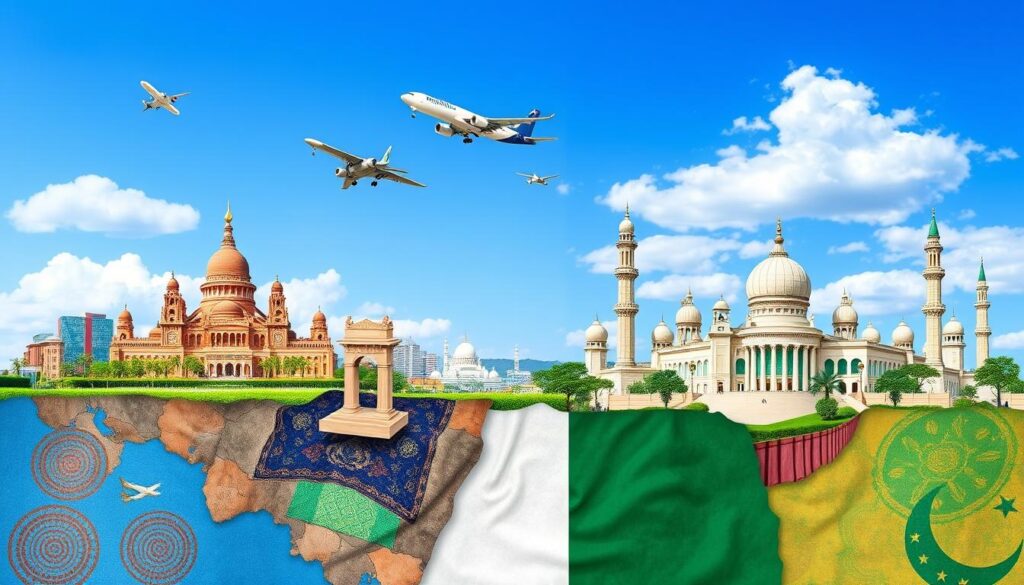
Sri Lanka and Pakistan are exploring ways to boost air connectivity. Both nations are key members of SAARC. Improved aviation cooperation could significantly boost economic growth and bilateral ties.

The SAARC region has 1.936 billion people, 24.1% of the global population. Its combined GDP is $4.491 trillion. These factors make air connectivity crucial for the region’s development.

The seventh Round of Bilateral Political Consultations took place in Islamabad. It highlighted the need for stronger air travel agreements. Both countries see potential benefits in increased connectivity.

Sri Lanka and Pakistan Discuss Enhancing Air Connectivity to Boost Tourism

Sri Lanka’s tourism industry peaked in 2018 with 2.5 million visitors. These tourists spent US$5.6 billion. The country aims to attract more foreign investment in tourism.

Sri Lanka faced challenges from the COVID-19 pandemic and past civil war. Yet, it remains committed to developing its tourism sector. Enhancing air connectivity with Pakistan is part of this strategy.

Pakistan has been a top source of tourists for Sri Lanka. In 2018, 9,774 Pakistani tourists visited. The numbers rose to 10,744 in 2019. Even in 2020, 6,260 Pakistani tourists came to Sri Lanka.

Better aviation links could encourage more travel between the two nations. This would benefit both economies. It would also strengthen bilateral relations between Sri Lanka and Pakistan.

High-Level Pakistani Delegation Meets Sri Lankan Prime Minister

A top Pakistani business team met with Prime Minister Harini Amarasuriya this week. They discussed ways to boost economic ties between their countries. The focus was on improving air travel, tourism, and trade.

Prime Minister Amarasuriya praised the strong partnership between Sri Lanka and Pakistan. She noted the benefits of better air links. These could boost tourism and create new economic opportunities.

Exploring Possibilities of Strengthening Aviation Links

The Pakistani team stressed the need for better air connections. More flights and new routes could help business and personal travel. This fits with Sri Lanka’s recent agreements to boost tourism with other countries.

Potential Benefits for Sri Lanka’s Tourism Industry

Better air links could greatly help Sri Lanka’s tourism. Pakistan is a key source of visitors to Sri Lanka. Improved flights could bring more tourists to the country.

This comes at a crucial time for Sri Lanka’s tourism sector. The industry has faced recent challenges and is looking to recover.

The meeting set the stage for more teamwork in tourism and trade. Both countries aim to strengthen their relationship. Improved connections and trade are expected to help both nations grow.

Sri Lanka and Pakistan Discuss Enhancing Air Connectivity to Boost Tourism

Sri Lanka and Pakistan held their seventh Bilateral Political Consultations in Islamabad. Foreign Secretaries Aruni Wijewardane and Muhammad Syrus Sajjad Qazi co-chaired the meeting. They reviewed relations in economy, trade, defense, security, education, culture, and more.

Seventh Round of Bilateral Political Consultations in Islamabad

Both sides stressed the importance of high-level political exchanges. They agreed to tackle transnational organized crime, including drug trafficking. The talks highlighted potential for better air links between Colombo and Islamabad.

Pakistan is Sri Lanka’s second-largest SAARC trading partner after India. Improved air connectivity could boost trade under the 2005 free trade agreement.

Increasing Connectivity and Bilateral Trade for Economic Growth

Tourism is vital to Sri Lanka’s economy. Better air links could attract more Pakistani tourists to Sri Lanka’s diverse landscapes. It may also lead to more business exchanges and stronger economic ties.

Sri Lankan exports already have a significant share in Pakistan. Direct flights could further increase bilateral trade. This focus on air connectivity shows a vision for stronger economic cooperation.

Enhancing Tourism and People-to-People Contacts through Cultural, Religious, and Sports Links

The talks emphasized air connectivity’s role in boosting tourism and cultural exchanges. At the meeting’s end, Sri Lanka donated five eye corneas to Pakistan. This gesture shows the strong ties between the two nations.

Improved air links could further strengthen these connections. It would make travel easier for tourism, cultural events, and sports exchanges.